
TIFF Review: ‘The Diary of a Chambermaid’ Delivers Radu Jude’s Idiosyncratic Satire With a Surprising Dash of Tenderness
Film Movement
From echoes of Roberto Rossellini in Kontinental '25 to wacky revisionments of his homeland’s most infamous historical figure in Dracula, both from 2025, Romanian auteur Radu Jude never takes a straightforward route when it comes to his films adapted from other sources, as is the case with his latest work, The Diary of a Chambermaid. Loosely reworked from the 1900 French novel of the same name by Octave Mirbeau, Jude’s latest cinematic provocation features all of the cutting criticisms of the multifaceted powers at play in modern Romania we have come to appreciate in his work, albeit with a refreshingly gentler process that makes The Diary of a Chambermaid arguably his most approachable movie to date.
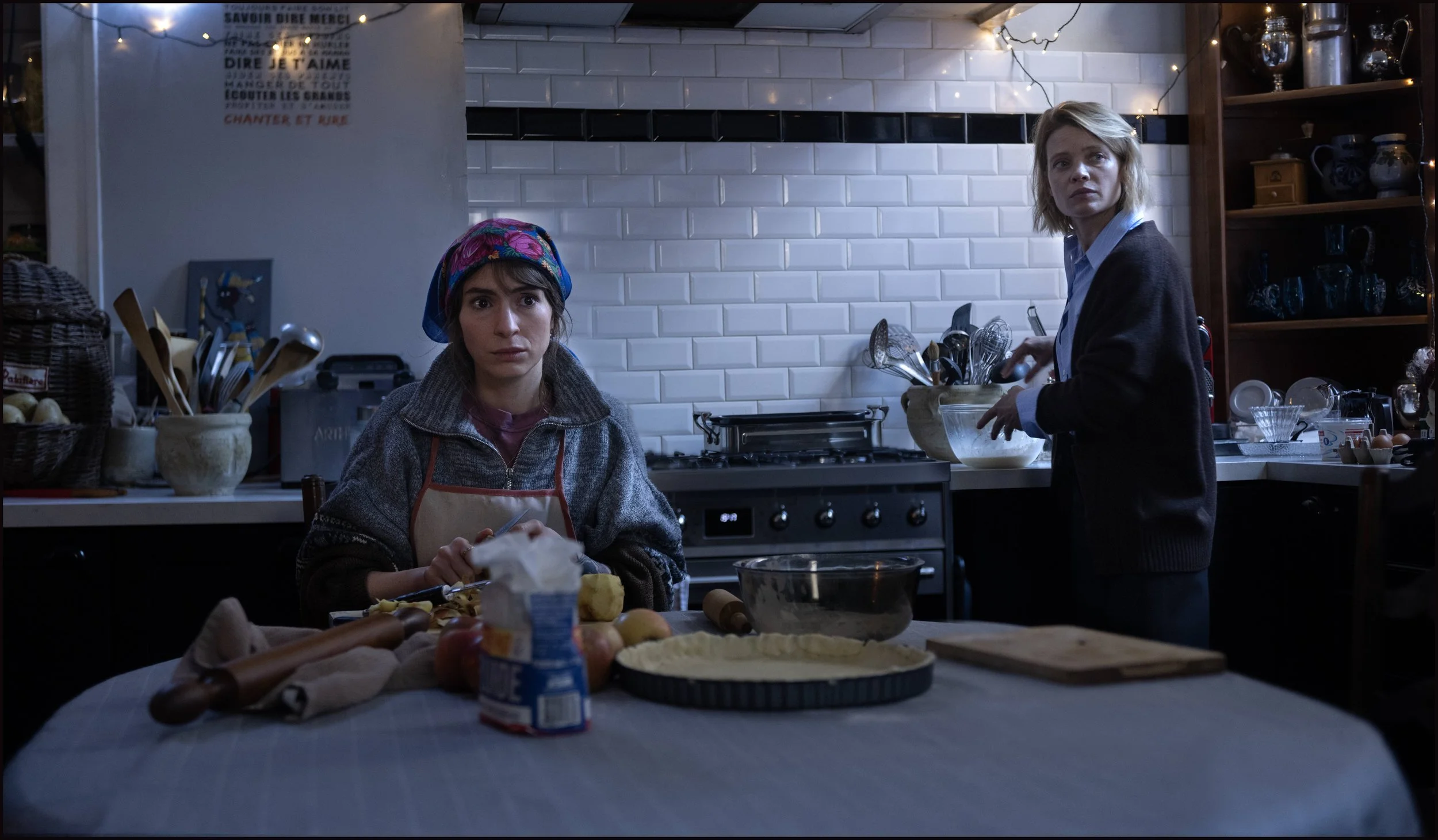
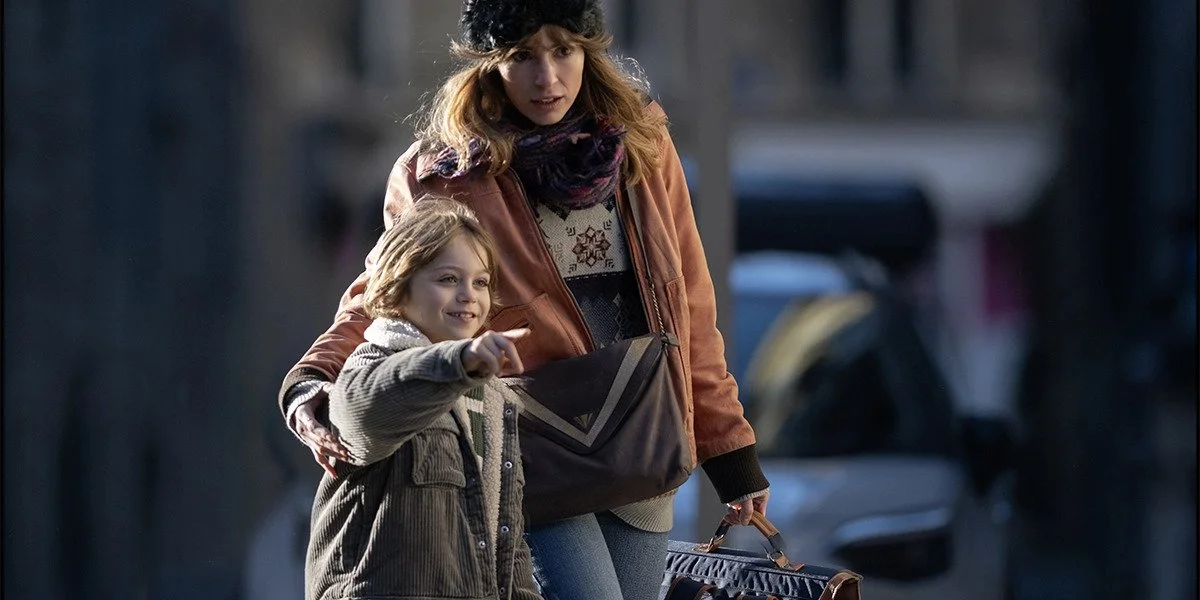
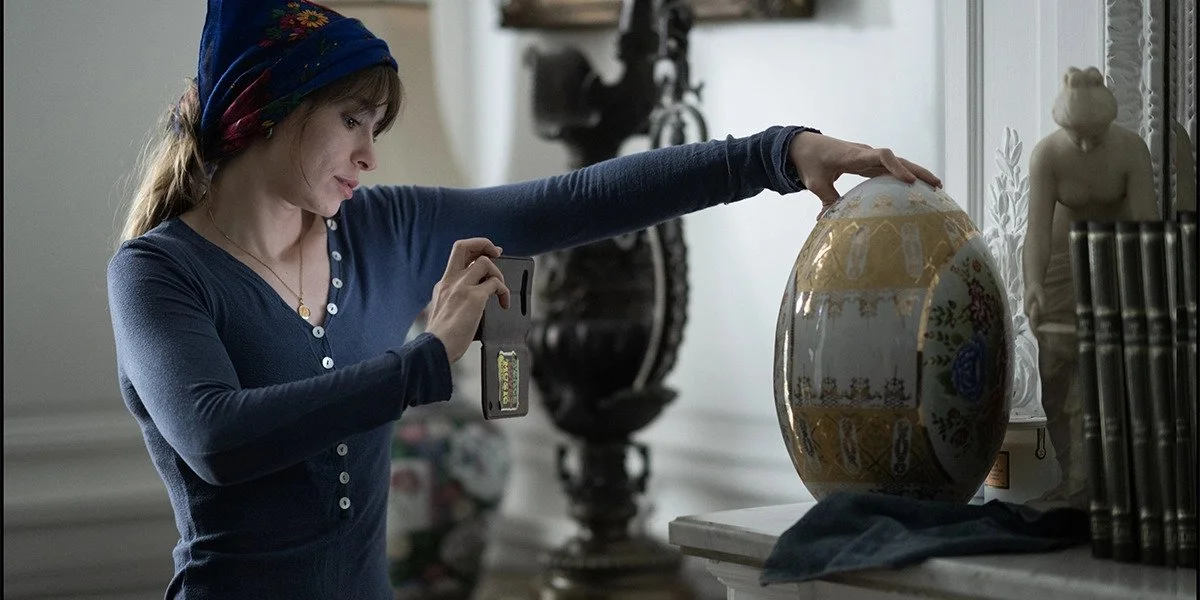
Ana Dumitrașcu stars in the film as Gianina, a Romanian au pair living in Bordeaux, where she is employed to look after the son and home of the Donnadieu’s (played by Mélanie Thierry and Vincent Macaigne), a French couple who commonly attempt to downplay their wealth through a performative “wokeness” which they think veils their bourgeois background. Gianina’s employers often ask about life under Ceaușescu, and she has to gently remind them that she was born after the fall of Communism. Like so many other young people, Gianina has ended up working abroad because of the dire job market and the “draw to the West” pressed upon Romania and other Eastern European countries in a post-Soviet world.
Besides the bank debts she owes, Gianina hustles for the livelihood of her mother and small daughter back home in their rural Moldovan village, whom she keeps regular contact with via FaceTime calls, venting to them about the garishly “cultured” home of the Donnadieu’s, or the doting needs of their son that she essentially raises in the relative absence of his parents. Following the diaristic structure of its source material, the film candidly chronicles Gianina’s days roughly from September to December, leading up to her return to Romania to spend the Christmas holidays with her family, a vacation that cannot come soon enough as she begins to wear down under the circumstances of being so far from the life she truly knows.
Film Movement
Although marking Jude’s first production outside of Romania, The Diary of a Chambermaid feels as close to the country as his other recent films, particularly in its nuanced examination of the relationship between labor and self in its lead characters. Gianina can often be compared to Angela from Do Not Expect Too Much from the End of the World through the crisis of identity she experiences through the constraints of her employment, which in this case require her to be so far from her daughter or a community that fully comprehends the sacrifices she makes just to earn a living. Jude’s sly screenplay fleshes Gianina out not as a victim of her Capitalist circumstances, but as a cog in the machine, unable to forge a new path. Dumitrașcu, a relative newcomer to acting, never resorts to histrionics to showcase her character’s existential frustrations, instead leaning into the script’s callous witticisms that operate as highly relatable coping mechanisms when faced with the most vexing of life’s tribulations, frequently muttering expletives to herself in Romanian under her breath as soon as she leaves her boss’s presence.
Jude’s fascination with integrating mixed media into his idiosyncratic cinematic language continues in The Diary of a Chambermaid, though with a much lighter touch than some of his aforementioned works. In her measly free time, Gianina stars in a local college theater’s stage production of Mirbeau’s novel, an avant-garde rendition with an all-migrant cast that adds a metatextual layer as parallels are drawn between her situation and that of the book's iconic chambermaid. The play’s rehearsal scenes are shot by cinematographer Marius Panduru in static extended takes that sharply differ from the everyday milieu captured in the rest of the film, creating a visual friction that speaks to the irreverent rhythms of Jude’s work. More interesting is the movie’s incorporation of FaceTime footage between Gianina and her family back in Romania, which subverts notions of such contemporary technology undermining the “magic of cinema” by holding many of the movie’s most emotional beats, especially as it becomes clear that the distance between Gianina and her daughter is starting to cause concerning emotional strain.
Film Movement
While the soft simplicity of The Diary of a Chambermaid could disappoint die-hards expecting Jude’s most incendiary work, the movie still delivers much of the caustic rhetoric that separates the director from many of the more restrained Romanian New Wave filmmakers who preceded him. At one point, an extended dinner scene involving Gianina’s employers and their champagne socialist friends descends into an airless, uncomfortable argument over Putin and Zelenskyy’s ultimate objectives in the ongoing war, putting Gianina on the spot as the only “Easterner” and outsider. At another juncture, Gianina recounts a Romanian folk tale to her young charge, the story of Făt-Frumos, a hero-figure who can no longer recognize the place he once called home. Despite their differences in scale or emotional heft, these disparate moments speak to the displacement Jude so deftly captures throughout The Diary of a Chambermaid, culminating in one of his most poignant films to date in a prolific and unpredictable career that is endlessly intriguing to watch unfold.
4/5
‘The Diary of a Chambermaid’ had its North American premiere as part of the Wavelengths program at the Toronto International Film Festival on Saturday, September 19. Film Movement will handle the movie’s U.S. theatrical release.