
TIFF Review: ‘Krux’ Explores the Darkest Corners of Wartime Germany
Global Constellation / CALA Film / ©Lucasz_Bak
Brimming with palpable paranoia and channeling a deeply unsettling atmosphere to match, German filmmaker Tony Vahl’s feature debut, Krux, examines one of her homeland’s most disturbing junctures: the final days of the Second World War. While naysayers could roll their eyes at “another World War II movie,” Krux underscores an almost unspoken truth about Germany’s national mindset in the face of inevitable defeat, one that undoubtedly shaped the country’s fabric for generations and still lingers among its most haunting socio-political phenomena.
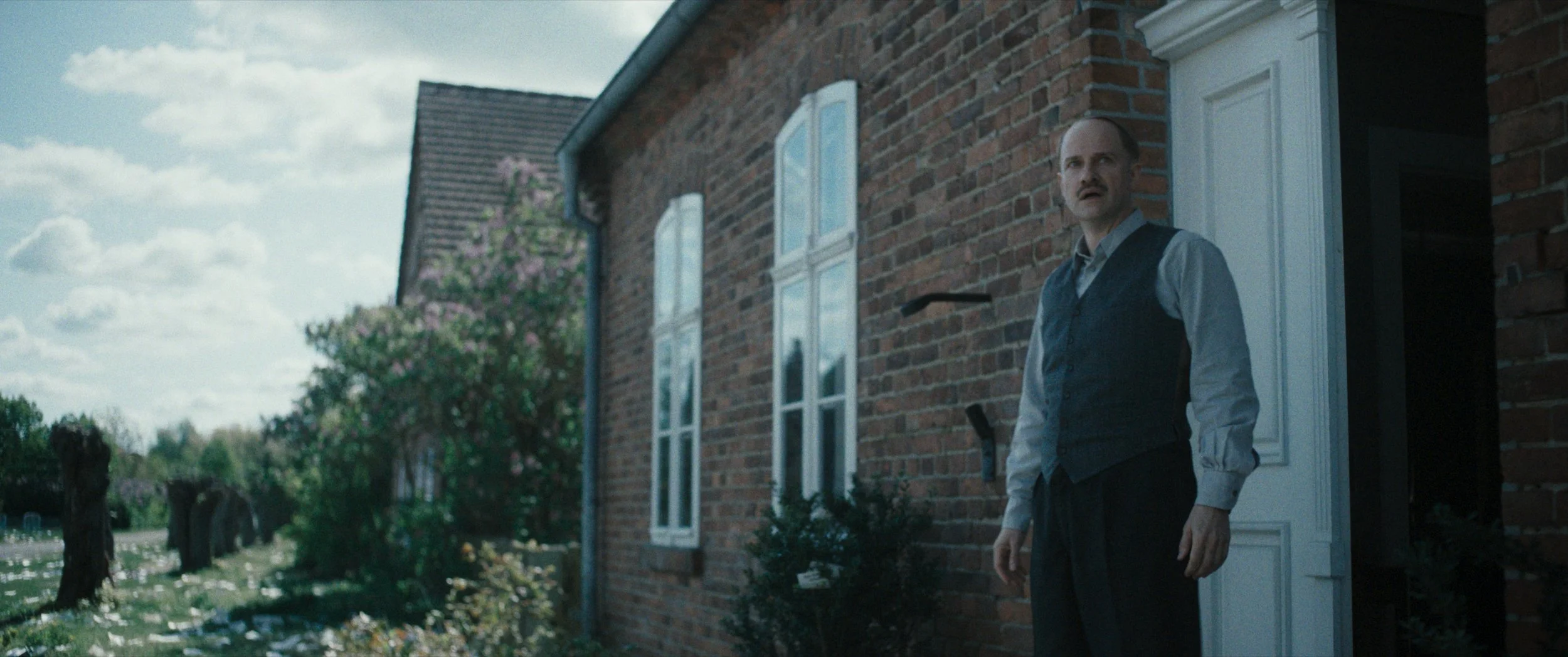
Krux takes place far from the violent front lines of the war, in a tiny rural village unburdened by the destruction, gunfire, and carpet bombing of Germany’s major cities. Although the young men and fathers have left the hamlet to fight for Hitler’s cause, the women and children they have left behind are “holding down the fort” as best they can- until the town’s mayor (Lukas Miko) begins to covertly infiltrate their psyches with his fervency for the Fatherland and the Nazi mission.
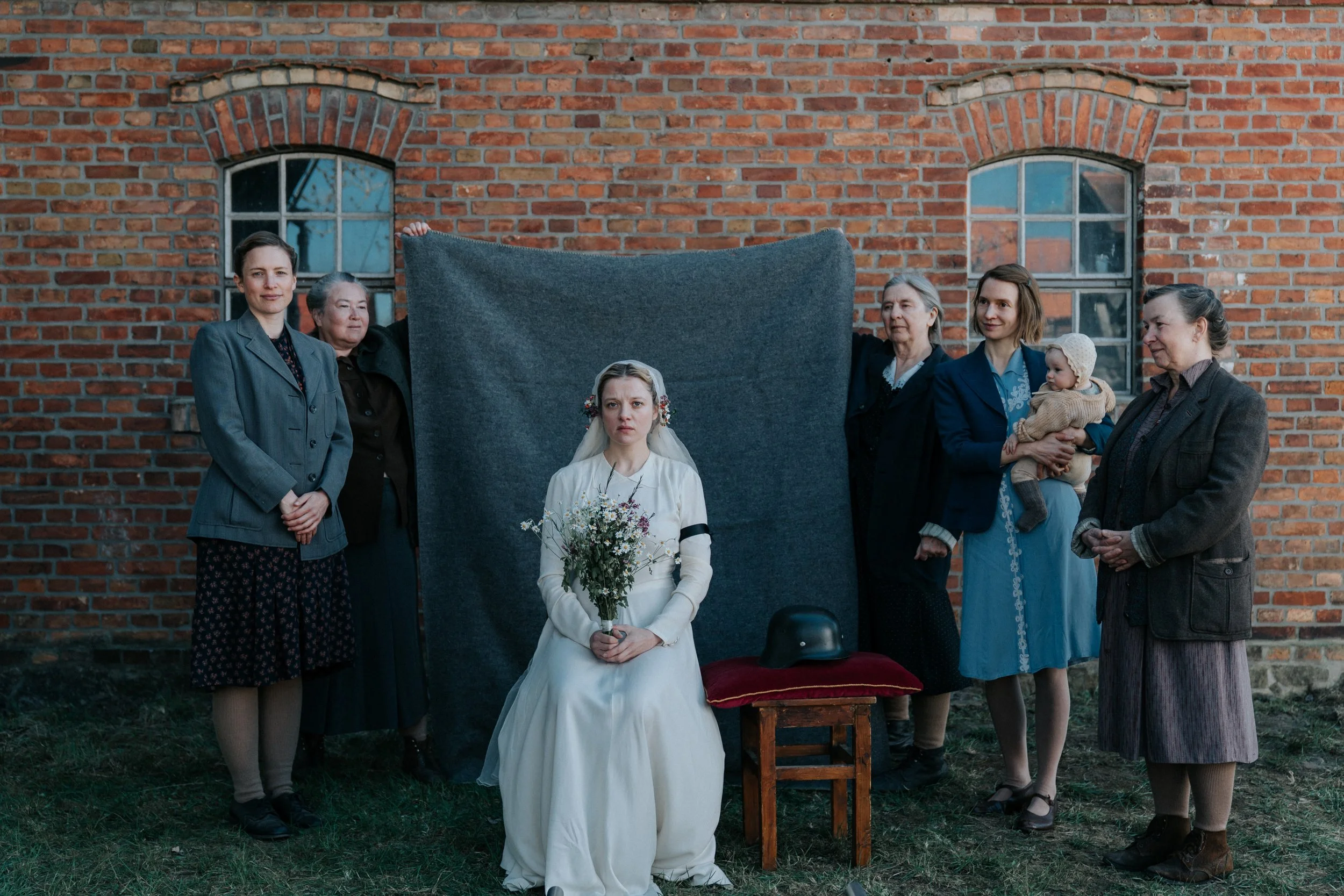
While Krux’s screenplay nimbly balances its time between a handful of characters, a young woman called Greta (Jella Haase, also starring in this year’s Gentle Monster) holds much of the focus from the movie’s first moments, which features a strikingly macabre wedding ceremony that will surely stick in your brain. Greta aids the war efforts as a laundress, spending her days washing blood-stained garments and materials that showcase the conflict’s violent outcomes. One of Greta’s neighbors, Fritz (Clemens Schick), serves as the village’s only teacher, impressing upon his pupils the ideology of the National Socialist Party with growing trepidation, especially as he listens to more and more illicit radio broadcasts predicting Hitler’s (and Germany’s) impending doom. Although much of the town still believes wholeheartedly in the leadership of their Führer, the elders keep warning the children to “stay away from the water” of the local river, because dead bodies keep emerging on its shores.
These aren’t the bodies of stray soldiers or resistance members, but the corpses of townsfolk and those that have washed downstream from similar villages. Although never doubting or condemning the Nazi’s losing battle openly, the mayor has begun to convince his constituency that suicide would be the more valiant option than facing defeat, and his persuasion is starting to work all too well as the village’s already tiny population begins to dwindle. As the final days tick away before Germany’s May 1945 surrender, the villagers face the ultimate existential crossroads as their ‘Volksgemeinschaft,’ or “national community,” begins to shatter completely.

Global Constellation / CALA Film / ©Lucasz_Bak
Shot by Polish cinematographer Piotr Sobociński Jr. with a glacial solemnity that shuns the springtime setting, Krux’s visual language leans into the darkness that permeates the villagers and the futures they see for themselves: “they can’t find peace, they’re filled with fear.” Disarming images of jarred hearts and floating bodies intermingle with close-ups of faces twisted by absolute uncertainty for what is to come. This overarching and well-tuned bleakness is further complemented by a spooky original score from Lorzen Dangel.
While many similar works of cinema stay with the crisis of conscience of a single character, Vahl’s screenplay darts between characters with effective ease. This decision not only explores the vacillations likely felt by individuals during this urgent period, but also allows a fuller understanding of what the entire community faced. As many are aware, Nazi principles emphasized not the individual, but the well-being of the entire Aryan race, what the upper echelons of the party considered best for the trajectory of Germany’s aspirations for “Lebensraum”. Krux utilizes a subtle beehive leitmotif to underscore this fracturing of not only the community, but the entire National Socialist project.
Although Vahl possibly felt weary to make work about subject matter so familiar in Germany and its cinema, Krux could more thoroughly scrutinized the deep-seated ideology that saw communities going through crises similar to the one in the film in a deeper way, even just to better communicate with international audiences that might not be familiar with this facet of wartime German history, one only really considered in recent history despite the 80-plus years that have passed since the conflict. The film only mentions the impending Russian invasion from the East in passing, never really addressing the core of the at times propagandistic and other times justified fears that villages such as this would be forced to face when the Allied powers arrived, only the sentiments that Hitler preached that no resources would be left for them to pillage once they got there. While Vahl’s latest work is not a history lesson, the historical context could have deepened insight into this era of deep psychological discord for Germany’s citizens.
Global Constellation / CALA Film / ©Lucasz_Bak
Drawing inspiration from horrifying real-life tales told by her grandmother who lived through the final days of Hitler’s Germany, Vahl’s first feature-length work is quite impressive in craftsmanship and tone, shining light on an overlooked consequence of Nazi devastation that never feels trite, particularly amongst the World War II genre, which so often feels uninspired or overworked. Krux’s debut at this year’s TIFF feels well-timed for the current zeitgeist, as hive mentalities increasingly influence communities worldwide, driven by rising nationalism and social media trends that often force us to blindly follow the pack in ways that can be highly dangerous.
4/5
‘Krux’ world premiered as part of the Discovery program at the Toronto International Film Festival on Saturday, September 12.