
‘Romería’ Review: Carla Simón Delivers a Remarkable and Sun-Soaked Work of Autofiction
Janus Films
A fascinating trend in contemporary cinema over the past five years or so has been the proliferation of female filmmakers whose work is significantly informed by their personal histories. From Charlotte Wells’ Aftersun to the last three films by Joanna Hogg, to, most recently, Sophy Romvari’s Blue Heron, women auteurs have demonstrated the incredible ability to weave their own distinctive experiences into their work, often proving that sweeping narratives and studio-backed budgets are not the key to making resonant movies.
The latest female director to support this unofficial movement is Spain’s Carla Simón, whose deeply personal Romería is finally hitting U.S. theaters after premiering in Competition at the 2025 Cannes Film Festival, courtesy of Janus Films. As captivating and nuanced as the Galician coastline where it takes place, Romería offers thoughtful insight into Simón’s complicated relationship with her distant relatives after losing both parents at an early age.
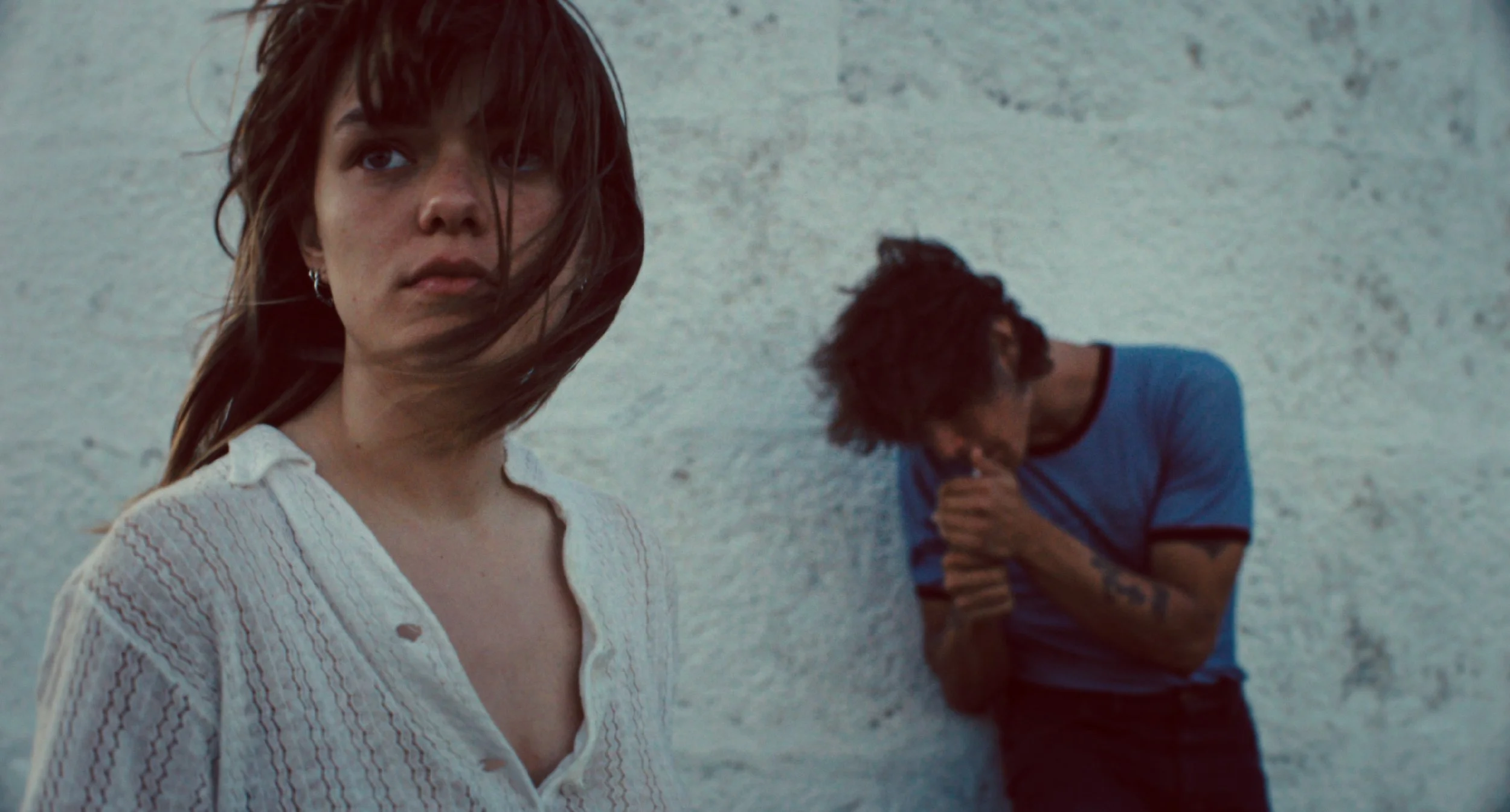
Serving as a stand-in for Simón and the core of the film is Marina Piñeiro (the fresh-faced Llúcia Garcia in her first acting role), an eighteen-year-old with aspirations to study cinema in Barcelona circa 2004. Trapped in a cycle of university bureaucracy, Marina learns she must obtain the signatures of her paternal grandparents, whom she has never met after being put up for adoption as an enfant, to qualify for the scholarship she needs. With a modest camcorder in tow, Marina embarks on a ferry journey from mainland Spain to the scenic Atlantic Ocean vistas of Vigo, where she plans to meet her father’s family for the first time.
Meeting up with her Uncle Lois (Tristán Ulloa) and his brood of rowdy boys, Marina boards the picturesque family yacht for a few days of leisure, a time in which she silently observes their dynamics and develops an innocent crush on the tanned and free-spirited oldest cousin, Nuno (Mitch Martín), while also gathering as much information about her father as she can, which soon creates discord between the truths she believed and the family’s account of his final years. This confusion is only heightened when other aunts, uncles, and cousins enter the picture, further complicating Marina’s preconceived vision of her parents’ relationship and exposing the deep rifts within the Piñeiro family itself, all culminating with the introduction of Marina to her father’s parents: Bourgois conservatives whose toiling efforts to keep family secrets under wraps have largely kept her out of the picture her entire life.
Janus Films
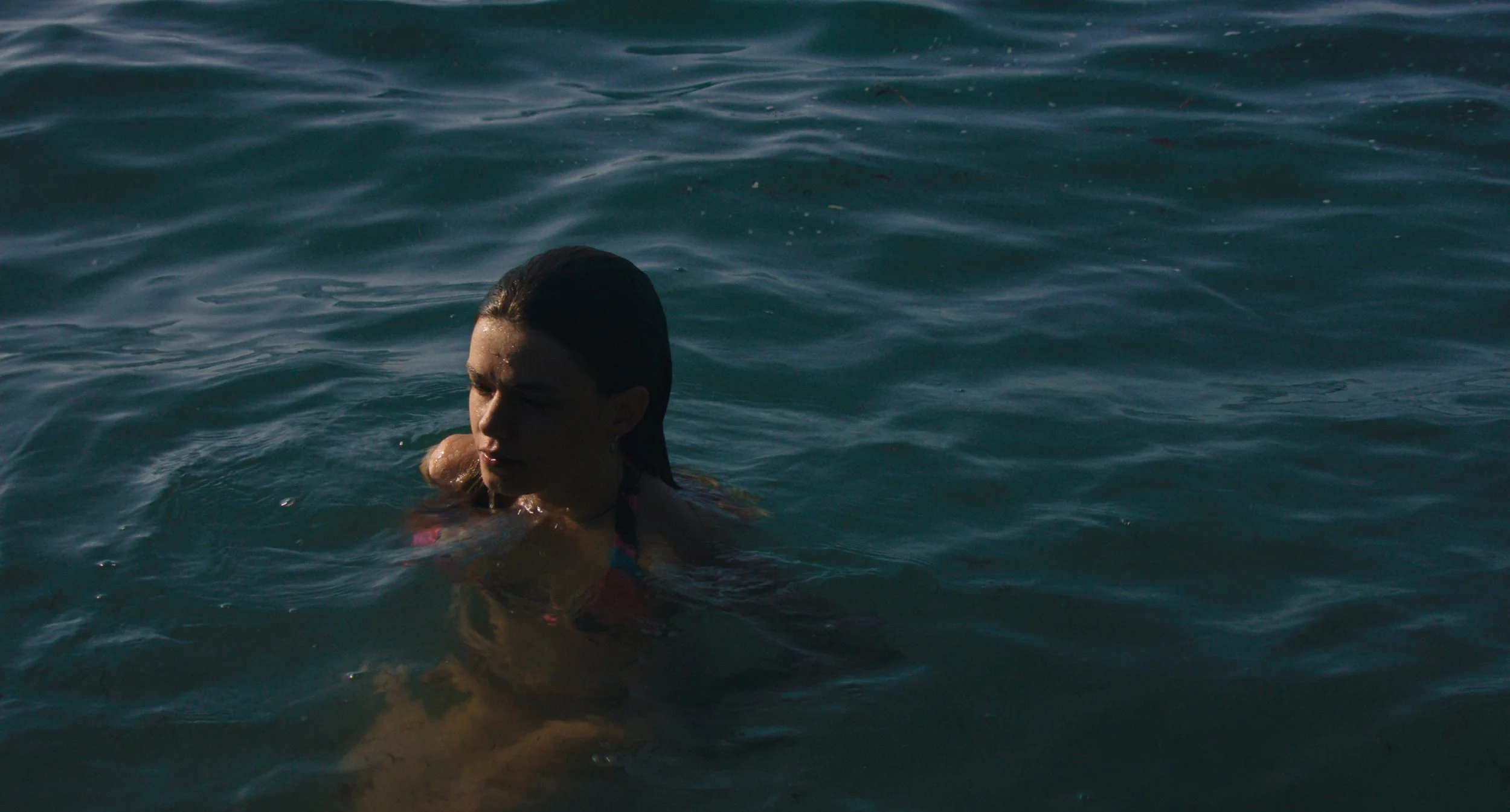
From the description alone, Romería might sound like a run-of-the-mill coming-of-age movie, but Simón injects a potent textural intimacy into every frame, bringing the viewer ever closer to Marina, her complex family, and the stunning Cíes Islands where they convene. Shot by celebrated French cinematographer Hélène Louvart, the movie’s visual language pays close attention to the region's gently undulating natural surroundings, which serve as a stark contrast to the tempestuous interpersonal exchanges between Marina’s relatives. Louvart’s most composed images are often paired with the grainy, shaky camcorder documentation of Marina’s trip, a visual leitmotif in constant connection with the film’s most autofictional elements.
While Romería’s screenplay might feel tightly wrapped up in its central family, it opens up to a broader socio-political context as more is revealed about Marina’s late parents, particularly regarding the intergenerational clash between family members. As Marina discovers more about her parents’ relationship, both through the diaries her mother left behind, and from her relatives, she comes to better understand the conditions that led to their premature deaths, more specifically, their struggles with heroin and the HIV/AIDs they contracted from needle contamination. The more she is around the Piñeiro clan, the more she recognizes the shame and stigma they constructed around Marina’s father, particularly in his dying days, when they hid him away from the world like a grotesque scandal.
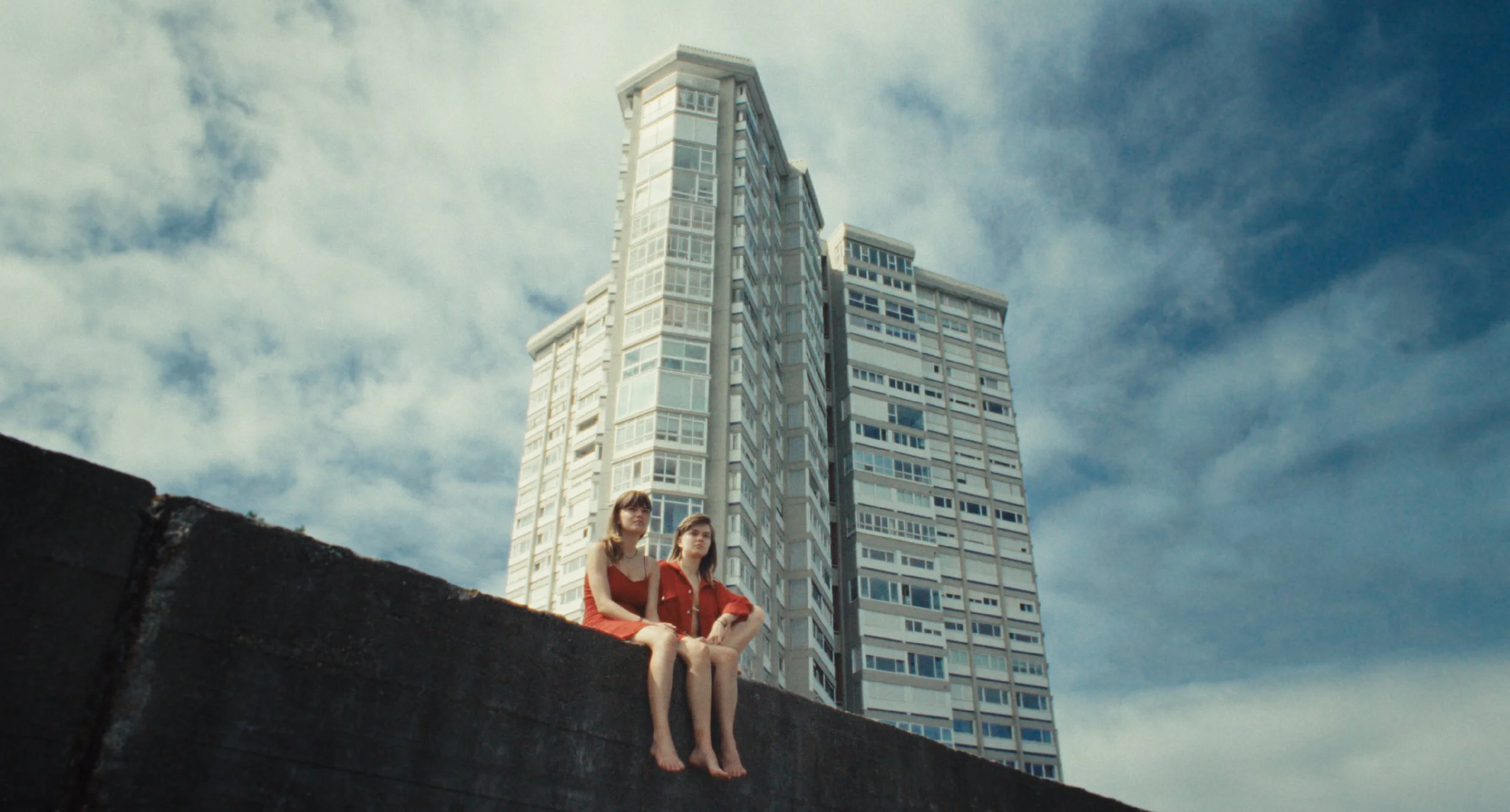
From the chapter title cards that divide Marina’s five days with her family to the storied red dress she wears to the use of actors in dual roles, Romería evokes a beguiling mode of autofiction that greatly stands out within the traditions of contemporary cinema. Thanks to the distance of time and the magic of moviemaking, Simón is able to connect and engage with elements of her past and her family in ways narrative cinema rarely can, allowing the filmmaker to reimagine fragments of her own history and effectively disseminate them through her creative process. These efforts are clearest in the film’s latter section, which leaves behind Romería’s overall groundedness in reality for something more expressionistic, allowing Marina (and the audience) to fully visualize her parents’ early romance and descent into addiction. While this late-stage shift into more fantastical territory could be quite disarming for some viewers, it gives Marina a moving sense of autonomy as she learns who her parents really were and figures out how they should be remembered.
Janus Films
An elegant meditation on memory, place, and the challenges of family relations, Romería is an unparalleled, sun-soaked coming-of-age movie that is deeply connected to its auteur. With her latest film, Simón continues to excavate her nuanced past, as she did with her 2017 debut feature, Summer 1993, bringing the difficult realities of her experiences to the silver screen with an authenticity that never becomes too sentimental. With a U.S. release date perfectly timed for the high days of summer, Romería’s gorgeous seaside atmosphere and overall effortlessness make for an exemplary must-see movie of the season.
4/5
2025 | Spain, Germany | 104 minutes | Color | Spanish, Catalan, French
‘Romeria’ world premiered in Competition at the 2025 Cannes Film Festival. The movie begins its U.S. theatrical release on Friday, June 26, courtesy of Janus Films.