
KVIFF 2026 Review: ‘Chica Checa’ Is a Commercial Crowd-pleaser About Letting Go of the Past
Silk Films
Overly sentimental yet at times uproarious, Czech writer/director Šimon Holý’s Crystal Globe contender Chica Checa might feel a bit too lighthearted throughout its runtime, but it successfully delivers an unambiguous statement about the freedom that comes with beginning a new chapter in life.
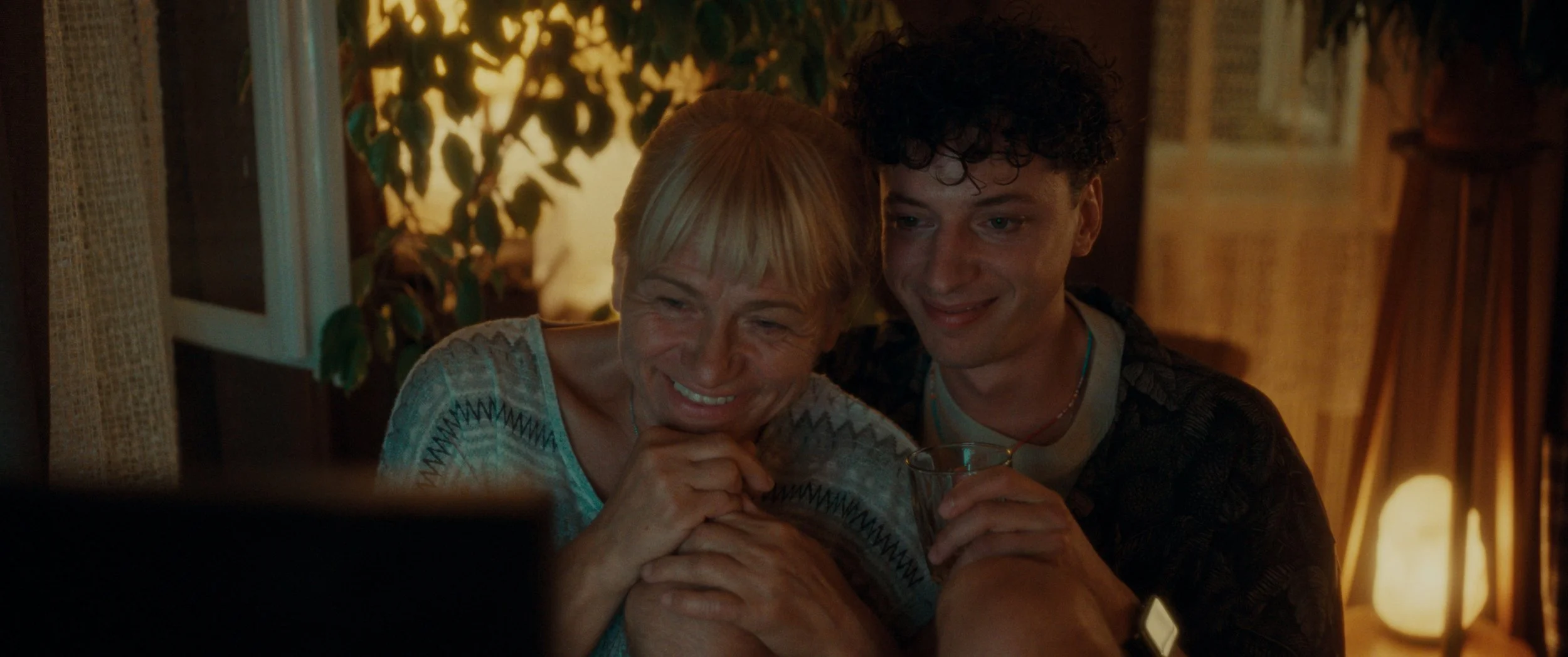
The movie follows Zdena (Pavla Tomicová), a middle-aged provincial Czech woman stuck in the past after becoming a widow years before, whose latest battles involve contending with her mother’s declining health and the crumbling walls of her own home. When her twenty-something son Lukáš (Jan Cina) returns from Paris to their village to see his grandmother before she passes, Zdena ponders what his life will be like when he finally comes back home for good to settle down and start a traditional family of his own. However, this fantasy is shattered one evening when Zdena uses a homophobic slur while they are watching television together, prompting Lukáš to not only come out of the closet as gay, but also reveal that he makes a living as a drag queen in the nightclubs of Paris.
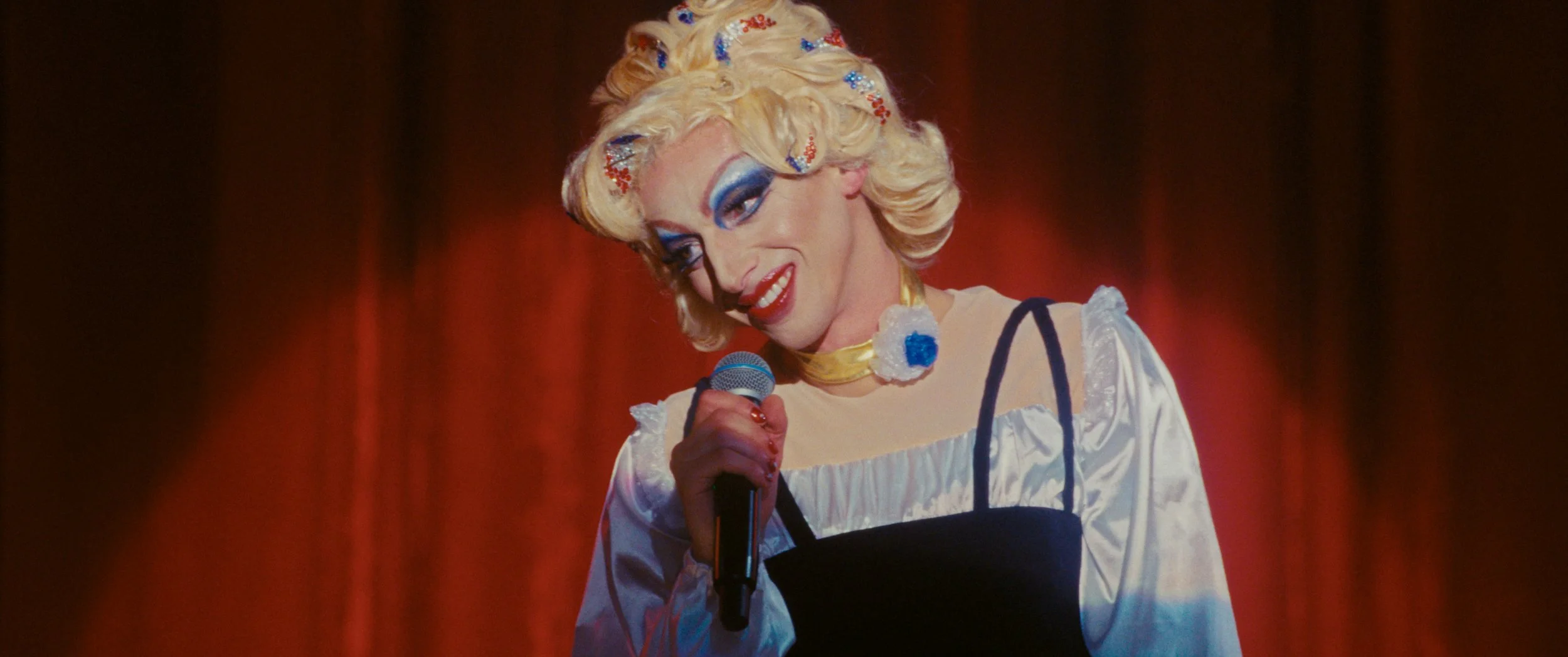
Expectedly floored by such revelations about her son, Zdena’s initially icy reaction thaws a bit too quickly to be thoroughly believable; nevertheless, their close bond persists, particularly as Zdena’s mother’s well-being continues to tailspin, with one of her dying wishes being to see Czech superstar singer Helena Vondráčková perform one last time. Zdena and Lukáš know this is a hopeless dream, so Lukáš decides to flex his drag talents and perform as the singer beside his grandmother’s hospital bed. Eventually left to plan a funeral and deal with her mother’s estate, which has piqued the interest of a prospective buyer from neighboring Slovenia, Zdena’s future seems uncertain, and her son urges her to come to terms with life’s constant evolution, possibly for the very first time in her life.
Silk Films
Intriguingly, Chica Checa does not culminate with any shocking melodrama as Zdena comes to understand her son’s sexuality, instead choosing to focus on the ways in which tight-knit families can endure such tribulations thanks to unconditional love. However, this strategy glosses over the seemingly deep-seated homophobia with which Zdena has always been surrounded in her small hamlet. It does not matter what walk of life you are from; such instilled beliefs do not just fade overnight, as they do in this film. Luckily, the onscreen chemistry between Tomicová and Cina bolsters the believability of this early section of the movie.
Holý’s screenplay pays most of its attention to the female voices in Zdena’s life, from neighbors to hospital nurses, showcasing the filmmaker’s (and much of the Queer community’s) reverence for women's more outwardly understanding and sensitive nature. After coming out to his mother, Lukáš begins to reveal his true self to many of these women before heading back to Paris, often met with a tentative cognition never particularly explored within the film’s few male characters, which could have added a more political and nuanced dimension to the movie’s overall infrastructure.
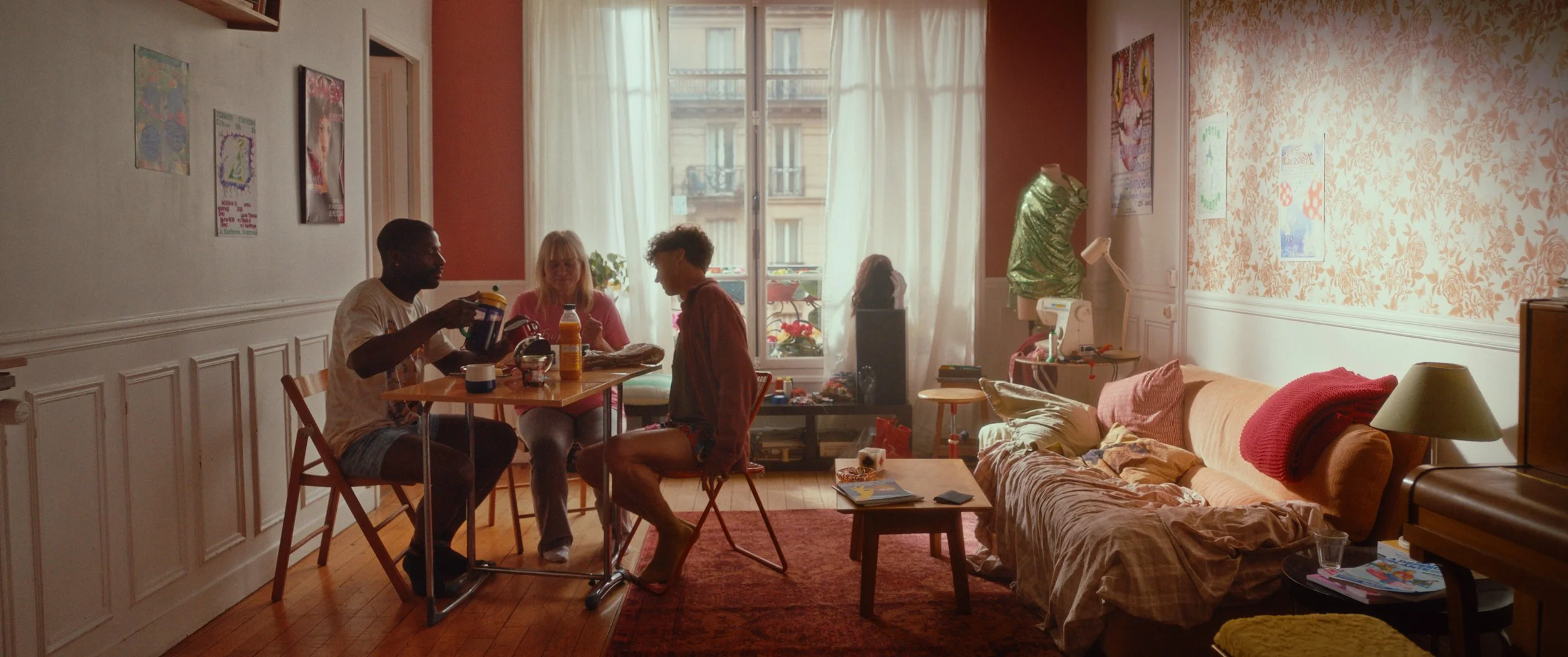
Chica Checa becomes most interesting when Zdena finally heeds her son’s advice and starts to open herself up to the infinite possibilities of the world. During a trip to Paris, likely marking her first time ever on an airplane, she remarks, like many others, “everything is beautiful here.” The voyage gives her the chance to meet and bond with Lukáš’s partner (Erwan Kepoa Falé) and see her son’s center-stage act in person, culminating in a grand nightclub performance as ‘Chica Checa’ (Czech Chic). When Zdena makes her way back to her hometown, she returns with many more possibilities for her future.
Silk Films
Although KVIFF’s Crystal Globe competition is brimming with intriguing works of the arthouse variety, Chica Checa stands apart as a mainstream-leaning crowd-pleaser, which has served in its favor on the ground during the festival’s earliest days. Even in its most watered-down moments, the movie serves as a crucial mouthpiece for understanding and tolerance, particularly as LGBTQ+ liberties continue to be challenged across the world. Often operating with the look and feel of a straight-to-streaming movie, Chica Checa flaunts a universality that could aid its future release among conventional audiences, possibly the ones most in need of experiencing such themes in cinema.
3/5
‘Chica Checa’ had its world premiere on Saturday July 4, as part of the Karlovy Vary International Film Festival’s Crystal Globe competition.