
KVIFF 2026 Review: ‘3 Weeks After’ Is a Hypnotic, Merciless Examination of Contemporary Youth Culture
KVIFF
While thematically the two works have nothing in common, I left the world premiere of 3 Weeks After feeling the same viscerally nauseating anxiety I had after screening Lars Von Trier’s Antichrist for the first time many years ago, a sensation that I will likely never be able to shake. The third feature from Serbian filmmaker Miroslav Terzić, which just debuted in the Crystal Globe competition at the Karlovy Vary International Film Festival, 3 Weeks After takes a piercing look at today’s youth culture and the forces that have allowed it to become so… Hopeless for what is to come.
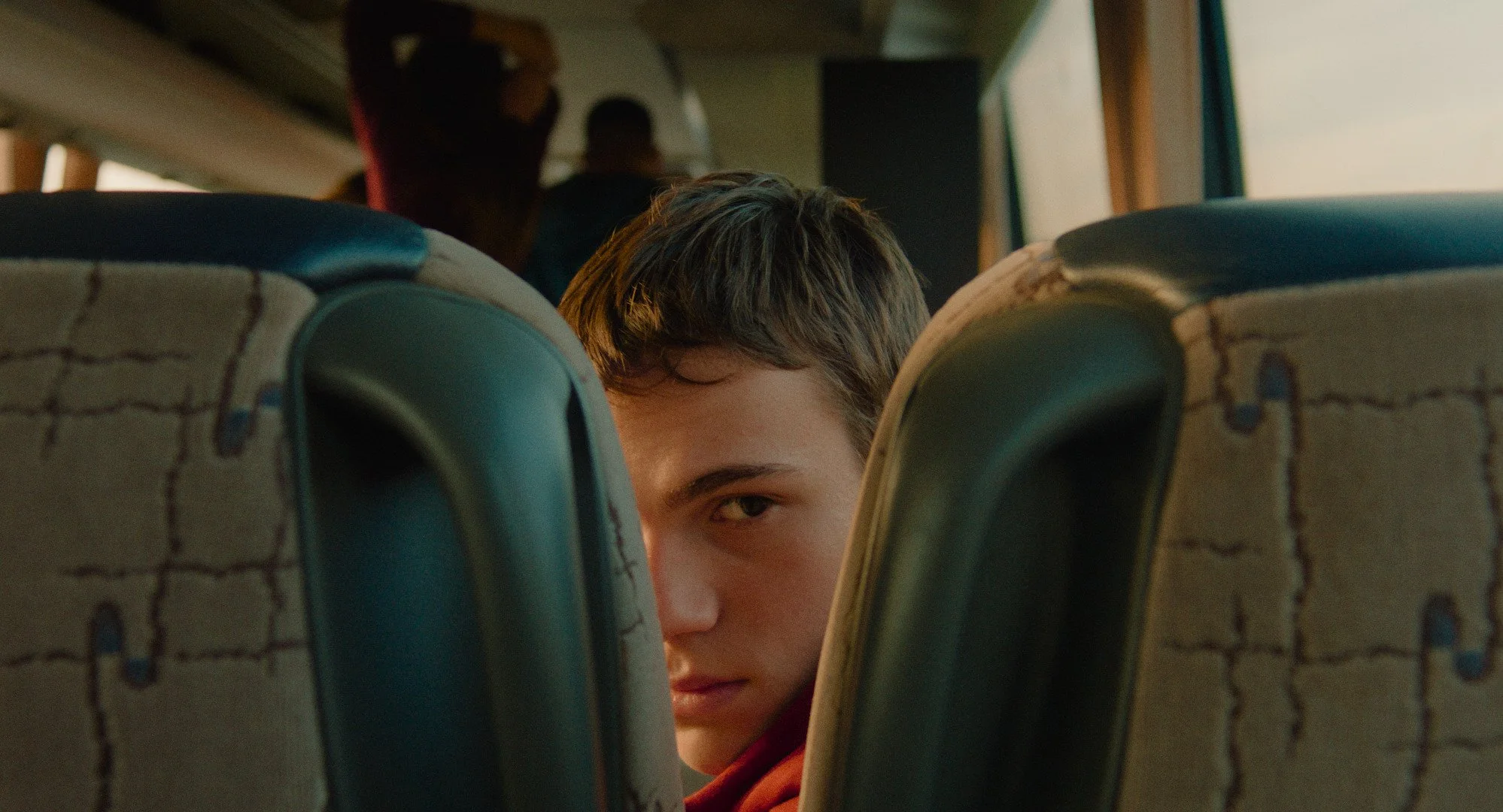
The tightly constructed and relentless movie centers around a class of Serbian secondary students who embark on a school trip to neighboring Bulgaria, just three weeks after one of their own, Andrija, has committed suicide. Meeting at the bus depot where they are set to begin their journey, one of their two chaperoning teachers announces to the students, “What matters now is that we all stick together.” From the movie’s very first frame, Tsotsa (Jovan Ginić, whose performance is heartbreakingly wonderful), who was best friends with Andrija, holds the film’s focus with his introverted and unmistakably traumatized perspective.
As soon as the teens board their coach and the doors close, it becomes crystal clear that this trip will be anything but comforting or educational for Tsotsa and his classmates: one of their teachers, Viktorija (Tihana Lazović), futilely barks orders from the front of the bus using a megaphone while her pupils amp up their rowdiness to an eleven, vaping and raging while their bus zooms through the scenic Serbian countryside. As if this raucous scene were not nerve-racking enough of an introduction to the class's off-kilter power dynamics, it is layered with a pulsing electronic score that bores into your brain and raises your blood pressure, courtesy of composers LP DUO, Sonja Lončar & Andy Pavlov.
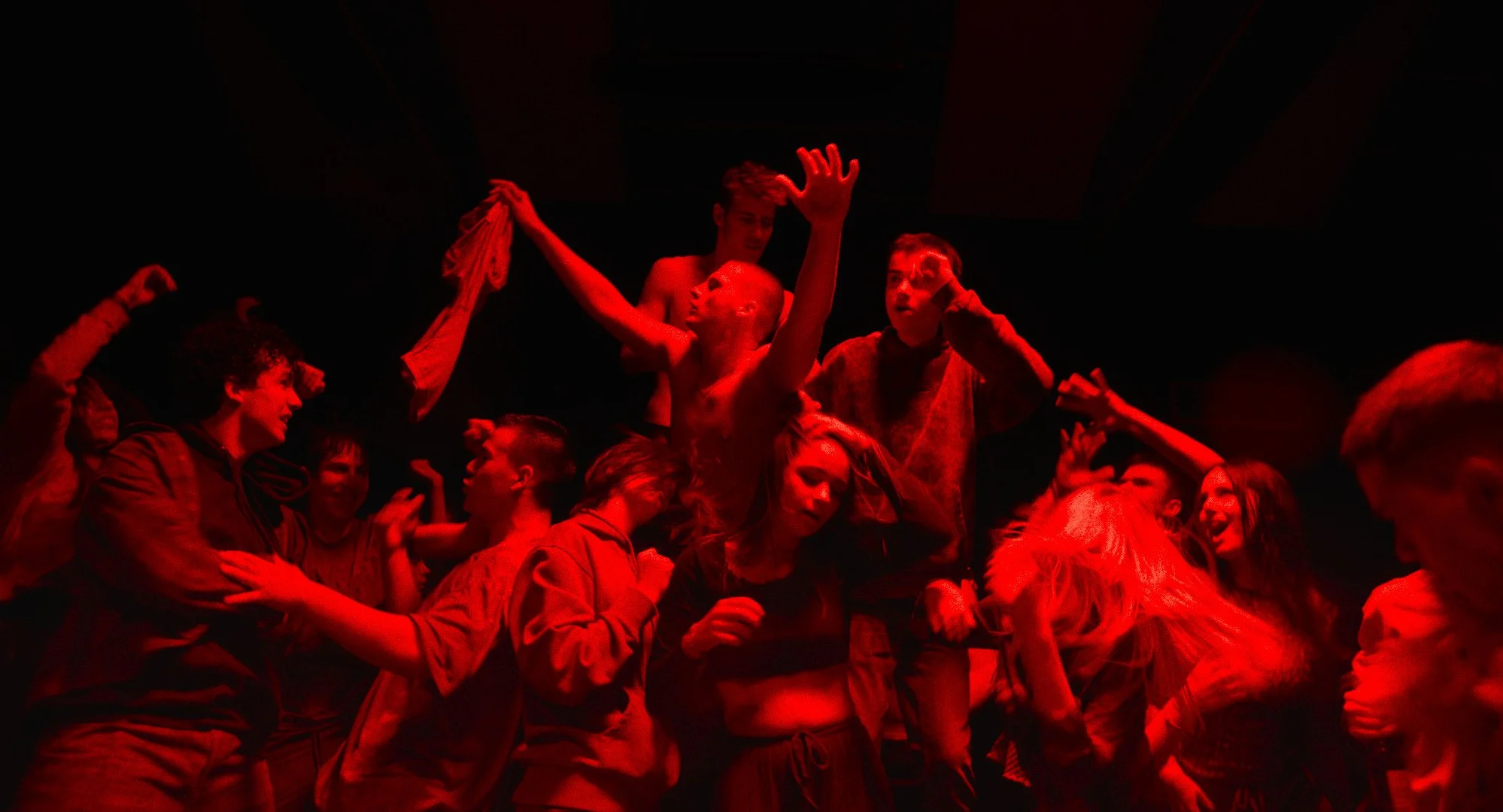
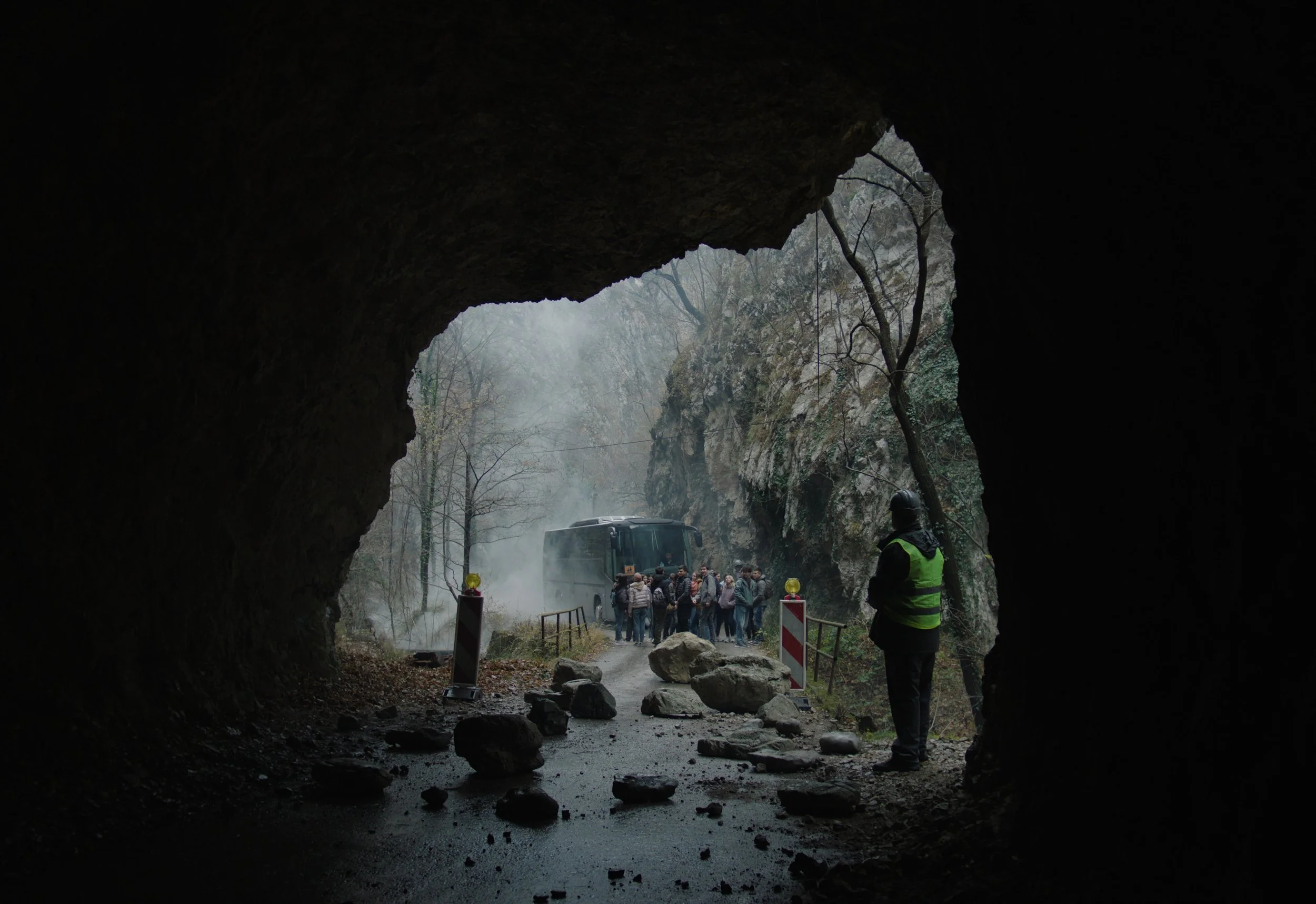
As the surrounding farmlands give way to steep mountain passes near the Bulgarian border, the group’s bus breaks down, and this is where things truly go haywire: macho f*ckboy Miloš (Andrija Marković), who snuck onto the bus sometime earlier at the request of his equally poisonous blonde girlfriend (Klara Hrvanović) starts to endlessly heckle Tsotsa, expecting his passive cronies to follow suit, which they certainly do, with brutal words that hurt more than the physical blows they land. Forced to retreat to an isolated hotel for the night while they wait for their bus to be repaired, the virtually unsupervised teens descend into a night of hormonal debauchery, much of which involves vitriol remembrances of the late Andrija and insults to his memory, eventually leading to an all-out siege against the lonesome and mourning Tsotsa.
KVIFF
Co-written by Terzić, Vladimir Arsenijević, and Bojan Vuletić, 3 Weeks After was prompted by the teenage suicide of Serbian teen Aleksa Janković, to whom the film is dedicated, working within its tremendously rigorous framework to probe questions about how societies have reacted to similar instances in the modern age. The film never places the blame on a single source as the main problem, instead shifting its gaze between the social forces that could allow such tragedies to happen.
At the highest level, neither of the class’s chaperones is equipped to provide emotional support or even discipline their students. At one juncture, Viktorija references the teens as “Heartless, angry, and evil.” How can individuals like this be leading a student field trip? When cinematographer Damjan Radovanović’s camera occasionally leaves the nervous figure of Tsotsa and shifts to the class’s girls, they are often in the middle of vapid conversations about tapeworms for weight loss or getting lip fillers as soon as they are of legal age, pointing to the intense scrutiny young women are under to fit certain roles or conventions. Pivoting to Miloš and his henchmen, similar pressures are investigated, but more so in terms of the present herd mentality with which adolescent men are forced to conform to traditional, toxic forms of masculinity, increasingly so in our current zeitgeist. All of these elements convey the existential preoccupations that reside within the minds of contemporary teens, leaving little room for empathy or understanding of others.
After ratcheting up the tension to the max, 3 Weeks After eventually reaches its boiling point and nearly comes to a heart-stopping halt with one of the most disturbing bullying sequences I have ever seen on the silver screen, shot with an eerie remove that breaks away from the fierce claustrophobia of its earliest moments. Left to the wolves by his teachers and his only apparent ally, queer classmate Daria (Andjela Alavirević), Tsotsa is confronted by his bullies with such physical and mental humiliation that leave him, in his mind, only one clear path to move forward with the classmates who have betrayed him so deeply, an unforgettable turning point which intriguingly mirrors the character’s introduction at the beginning of the film.
KVIFF
Although 3 Weeks After is the farthest thing from a heartwarming coming-of-age flick, the nuanced character-building and impeccable craftsmanship assembled by Terzić and his creative collaborators make for an unflinching call to action for the world in which we are raising future generations and the values we are instilling in them. It takes major guts to construct a film with such a strong stance, and hopefully Terzić’s efforts will be rewarded with major distribution and recognition of this brilliant, if not agonizing, work.
4/5
‘3 Weeks After’ world premiered in the Crystal Globe competition on Tuesday, July 7, at this year’s Karlovy Vary Film Festival.