
MPI Media Group
Since the genre’s creation in the late 18th century, Gothic horror has been deeply informed by the colonial era that gave birth to it. From obsessions with the past to the notions of “otherness” it depicts in its outsider characters, the traditions of Gothic horror have aligned with Eurocentric ideology from the get-go.
Mārama, the uniquely atmospheric debut feature from Māori-English filmmaker Taratoa Stappard, draws on Gothic horror elements to fiercely rebuke the colonial influences that decimated the Indigenous peoples of Aotearoa New Zealand, serving as a singular genre piece grounded in anticolonial philosophy.
We first meet Mārama’s essential Gothic heroine, Mary Stevens (Māori actress Ariāna Osborne, handling the weighty role with complex emotion just beneath the surface), on the side of a country road in North Yorkshire, England. The year is 1859, and Mary has just undertaken the grueling two-month sea voyage from New Zealand, compelled by a strange letter from a “Thomas Boyd” promising information about Mary’s family, whom she has never met.
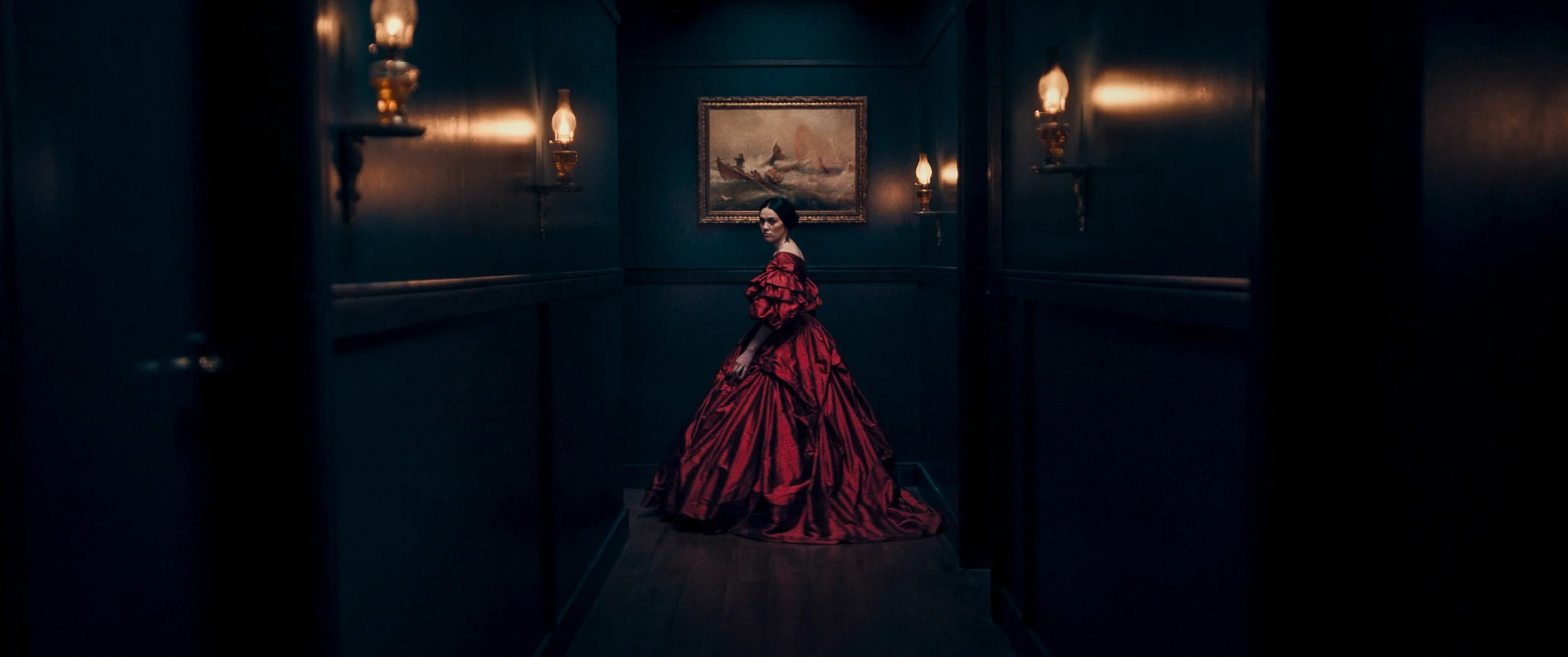
Learning that Thomas mysteriously passed away just after sending the letter, Mary is invited to the estate of his employer, Nathanial Cole (Toby Stephens), one of the wealthiest men in the area, who amassed a considerable whaling fortune off the coasts of New Zealand years before. Like any Gothic horror house, the walls of Nathanial’s grand Hawkser Manor are brimming with bad energies, an unsettling warning that Mary picks up on as soon as she enters. As if the vibes were not ominous enough already, the home is filled with collections from Nathanial’s travels: Indigenous artifacts, colonial art, and, most uncanilly, hidden amongst the hedgerows of the garden, a whare, or traditional Māori hut, shipped all the way from New Zealand.
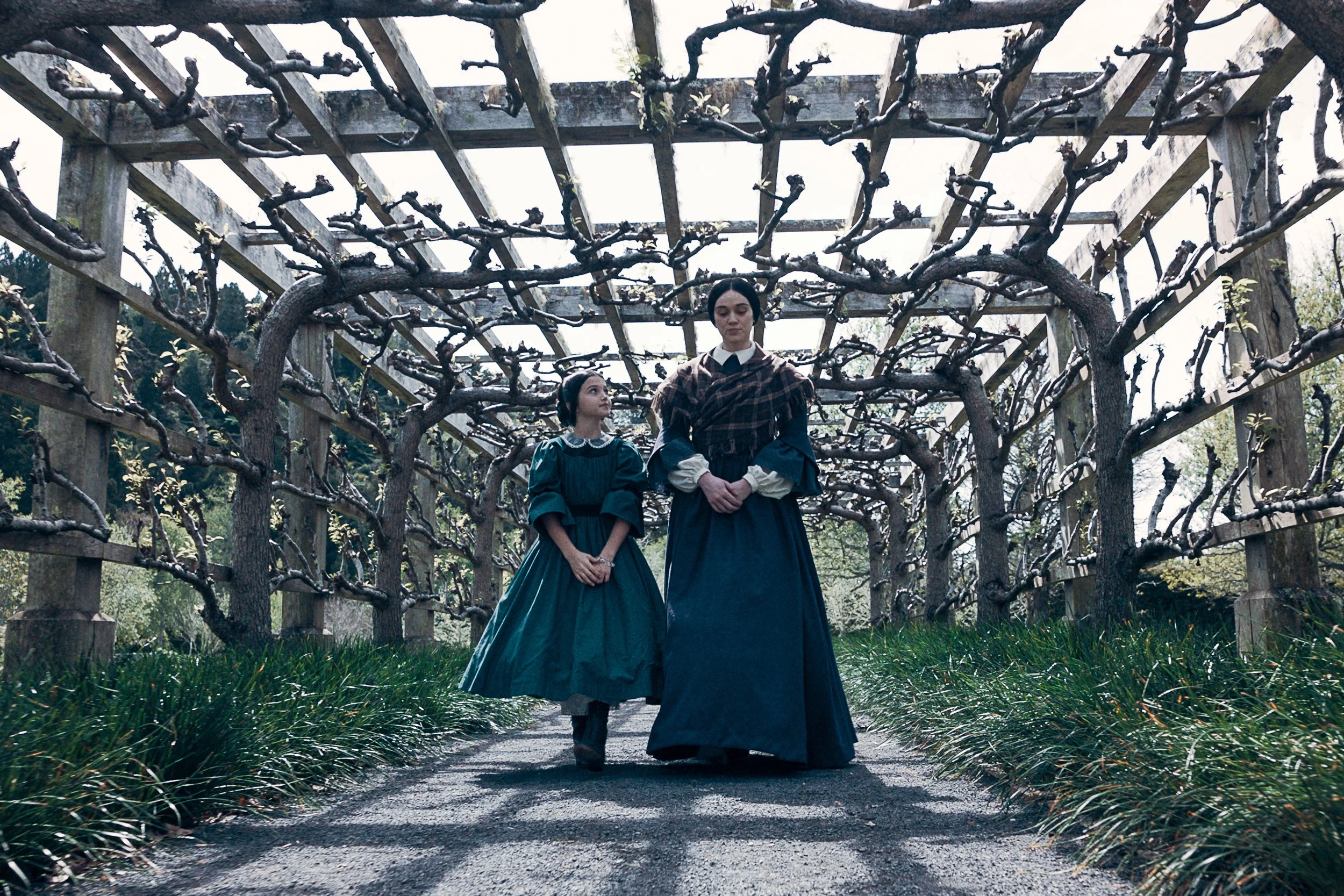
Nathanial’s fetishistic decorating sensibilities are mirrored in his comments to Mary, “Your people are magnificent specimens,” as well as the company he keeps, particularly a shady sidekick called Jack (Erroll Shand), who dons sacred Māori facial tattoos, despite his English heritage. The type of moneyed gentry who does not take no for an answer, Nathanial beseeches Mary to stay on as an employee, specifically to tutor his part-Māori granddaughter, Ann, whose father is incapacitated by alcoholism after the unexplained death of Ann’s mother. Red flags galore, Mary is drawn ever closer to the secrets hidden within Hawkser Manor when fractured apparitions of her own mother begin to visit her dreams, lending inklings to help her unlock the mysteries of the lineage she never knew.
MPI Media Group
Doppelgangers, locked doors, family secrets galore: Mārama’s screenplay, self-penned by Stappard, assembles its anticolonial statement without straying too far from Gothic Horror conventions. Collaborating with cinematographer Gin Loane, the director leans into the typically bleak interiors and seemingly everlasting nights that distinguish the genre’s most haunting facets, a disquieting visual language well suited to the narrative’s ratcheting tension as it delves into darkening territory. Bypassing other urges to reinvent the wheel of the genre, many of the movie’s characters easily fit typical Gothic horror characterizations without having to forsake their moral complexity: the innocent child, the deranged aristocrat, etc.
Although Mārama is driven by the Māori proverb “I walk backward into the future with my eyes fixed on my past,” the film’s fixation on the past can, at times, strain its structure. Mary’s calls from her ancestors come to her in disturbing, almost psychedelic flashbacks that do not always clearly convey the details needed to further entangle her in her predicament, creating a discord between what the character understands and what the audience can perceive. While Stappard’s screenplay neatly ties up most loose ends by the time the credits roll, the finale feels narratively anticlimactic despite its impressively violent catharsis.
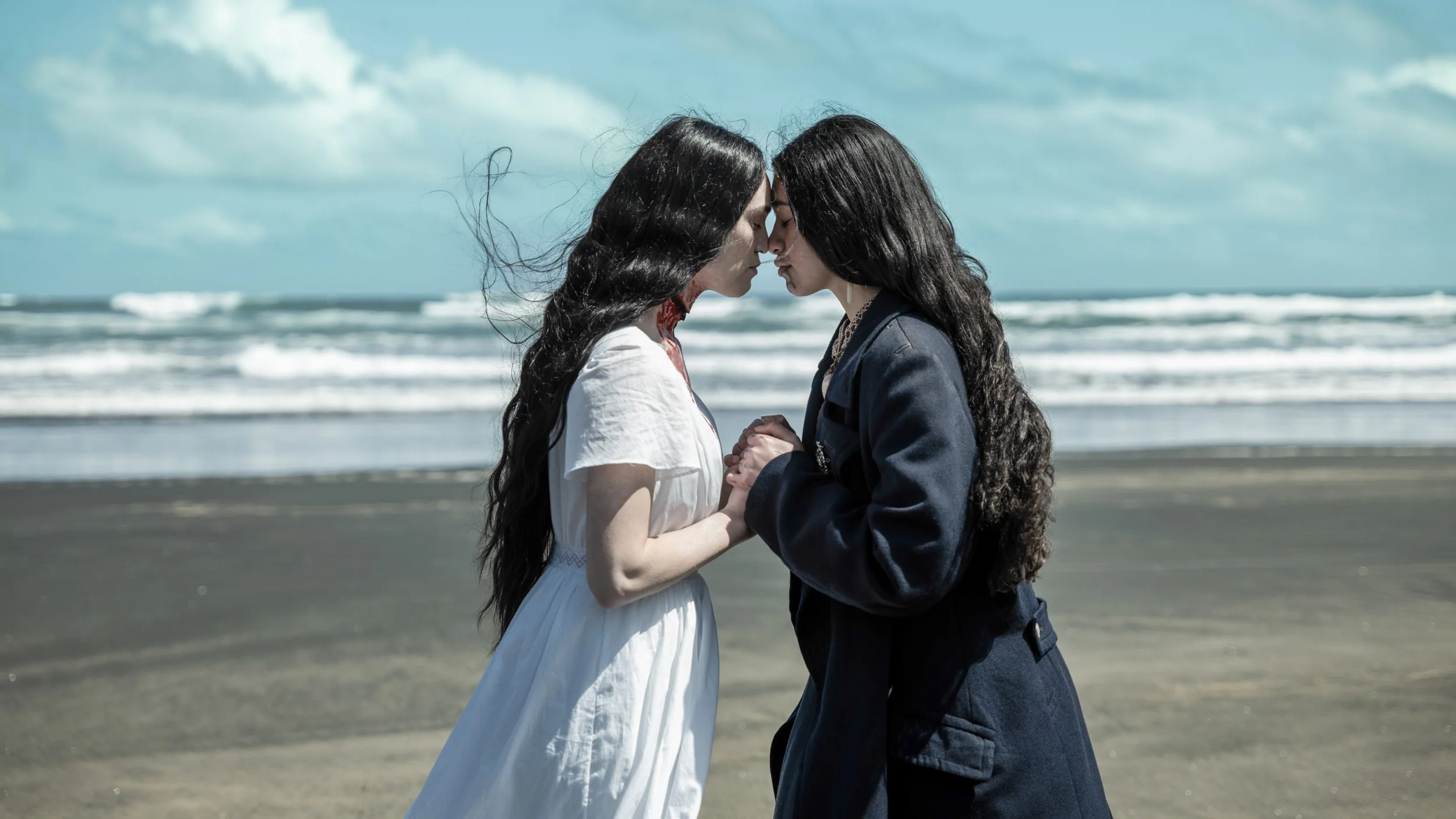
Inspired by the wāhine toa, the powerful Māori women who shaped his cultural heritage, Stappard uses Mārama as a mouthpiece for the subdued women at the heart of its stor’s story, figures of limited autonomy in its Victorian setting. Mary’s Mana is emboldened by her female forebears, a strength she depends on as the story’s men threateningly encircle her. Mary’s only supporter at Hawkser Manor turns out to be the housemaid Peggy (Umi Myers), another woman of color fed upon by Nathanial’s spectral figure. Mārama pays close attention to the bond that forms between these two troubled women, the care they show one another, and to the young Ann, the only other person on the property they can put faith in.
MPI Media Group
Likely for the first time in cinematic history, Mārama combines elements of Gothic horror with cultural representation of the Māori, marking the film’s influential idiosyncrasy. Despite the at times frustrating cadence of its rhythm, Stappard effectively incorporates the music, language, and movement of his community into the film, ciphered through a mode of storytelling that would conventionally reject such “alien” influence. Most pointedly, through Mary’s soul-altering transformation into Mārama, Stappard champions the deep-rooted nuance of Māori culture, something rarely depicted on the silver screen in the Western world.
4/5
87 minutes | New Zealand | English & Te Reo Māori | 2025
‘Mārama’ world premiered at the 2025 Toronto International Film Festival. The movie begins its U.S. theatrical release on Friday, April 17, courtesy of Dark Sky Films and Watermelon Pictures. Click here for ‘Mārama’ showtimes near you.