
‘Gypsy 83: The Director’s Cut’ Review: A Queer Cult Classic Brimming With Style But Bereft of Poignancy
Altered Innocence
Just in time to celebrate 25 years since its original release, writer/director Todd Stephens has re-cut and restored his sophomore feature Gypsy 83, incorporating an additional 40 minutes of footage and even more of the 1980s goth bangers that aided the film in becoming a cult queer classic in the first place. The middle work in Stephens’s “Ohio Trilogy,” Gypsy 83 is chock full of the rebellion, adventure, lust, and heartache most would expect from any satisfying coming-of-age movie, yet as it works through its newly extended runtime, the film never manages to investigate its meandering emotional beats with much satisfying profundity.
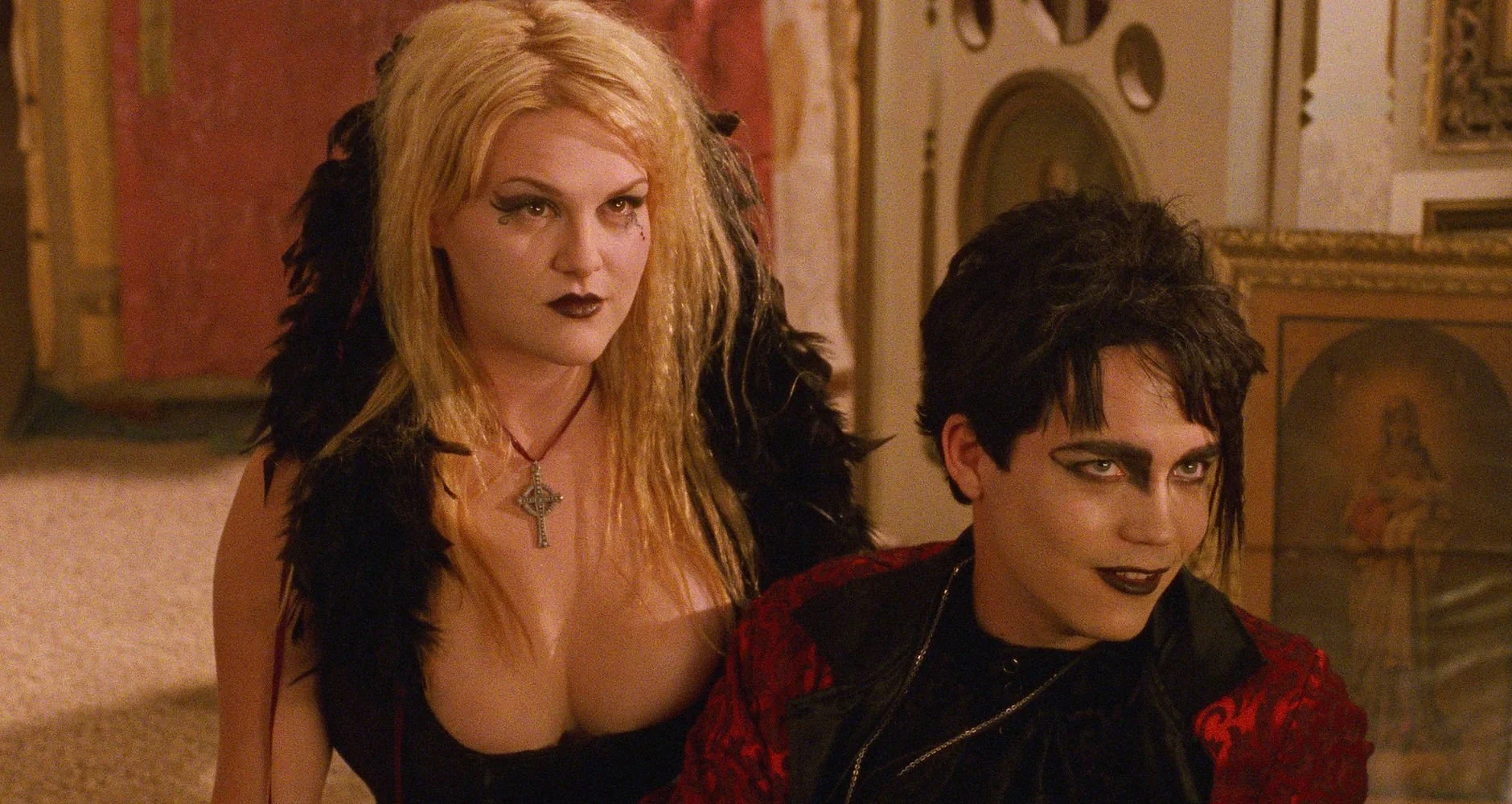
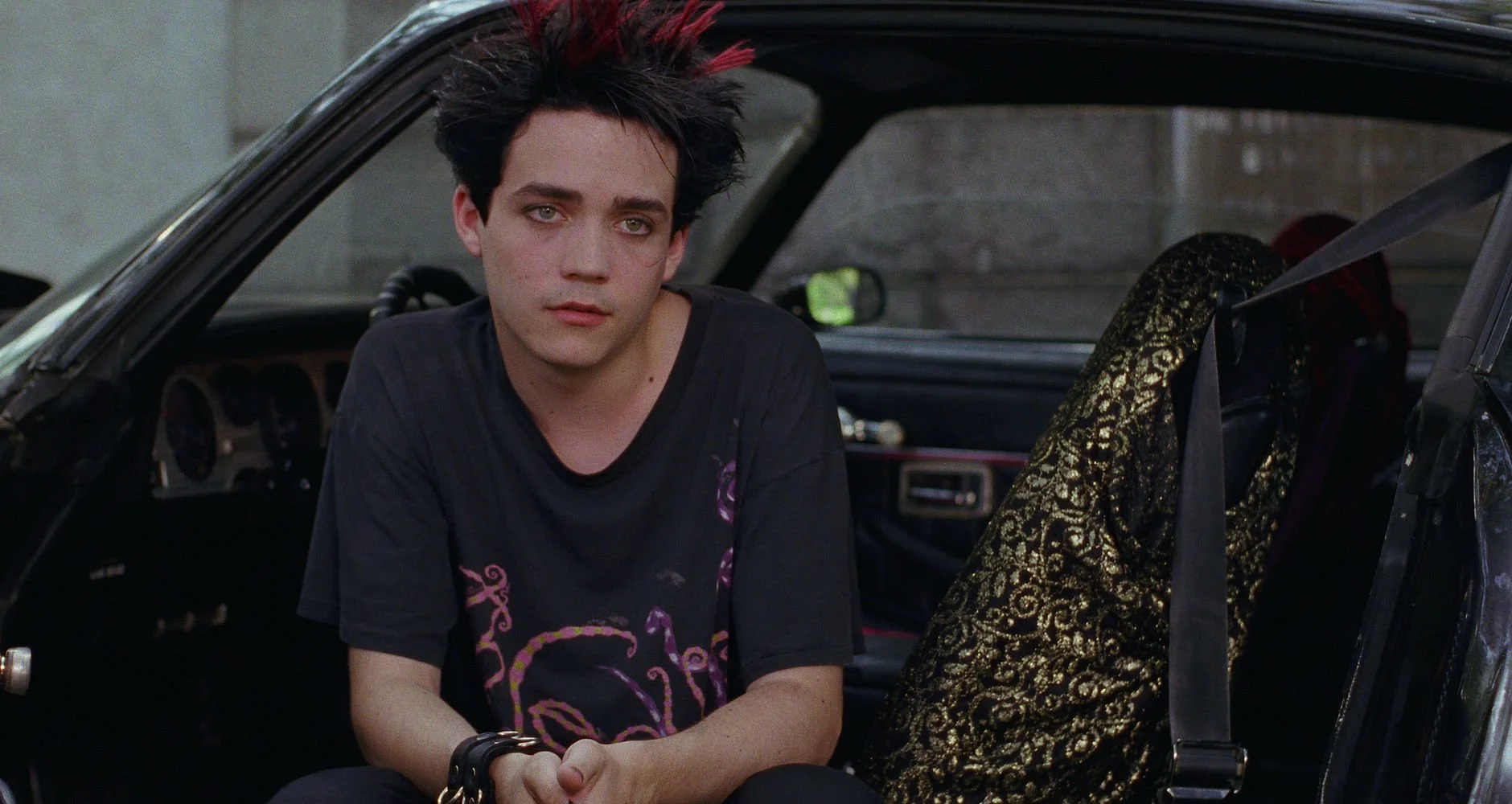
“Stevie Nicks is a state of mind,” or so says the movie’s namesake, Gypsy (Sara Rue), a twenty-something aspiring musician frustrated with her small-town life in Sandusky, Ohio, circa 2001. Gypsy splits her time between an unfulfilling job at a one-hour photo hut and a creative, devoted friendship with her partner-in-crime Clive (Birkett Turton), an uber-goth queer highschooler similarly disillusioned by the ennui of suburbia. While Gypsy and Clive’s visual references are quite disparate, she worships the aforementioned “Landslide” singer, and he seems to emulate The Cure frontman Robert Smith; the two bond over their adoration for bygone eras and the sensibilities that defined them, particularly the 80s.
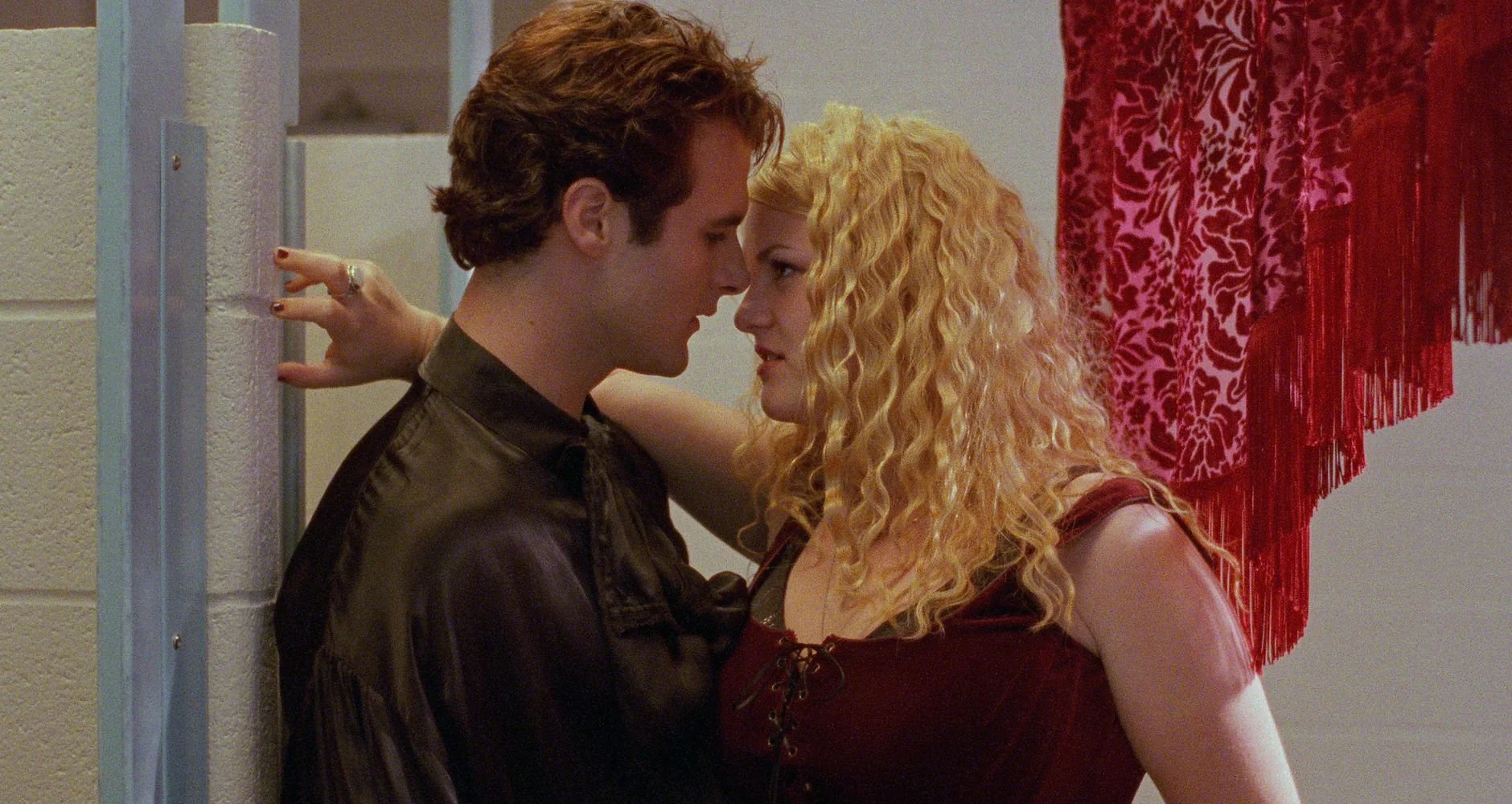
When the pair come across an online advertisement for a Stevie Nicks cosplay event happening in New York City four days later, Gypsy is torn between staying faithful to her everyday commitments, which include a single father whose dreams of becoming a well-known musician have been extinguished, and taking the ultimate leap of faith to live out her dreams. Gypsy and Clive hop in her vintage Pontiac Trans Am and hit the road for the Big Apple, leading them on a journey flavored with a medley of interesting and challenging characters, including a washed-up cabaret singer (Karen Black), a closeted frat boy, and a charming Amish defector.
Altered Innocence
Gypsy 83 is most pleasurable when you take in the aesthetic details its leading duo labors so hard to honor and obsess over, from their heavy black eyeliner to perfectly calculated ensembles. Needle drops that range from Cocteau Twins to Echo and the Bunnymen punctuate Gypsy and Clive’s road trip, capturing their understandings of the eras they are infatuated with as they take pit stops in overgrown cemeteries and seedy rest areas. They live and breathe their specific tastes, knowing exactly how they want to represent themselves in the modern world despite the unique adversities they face. The film’s combination of major fashion and music moments is undoubtedly a key reason for the original’s now-cult following.
Throughout Gypsy 83’s runtime, Stephens’ screenplay competently captures the lust for life harbored by the movie’s two central characters, along with their feelings of being outcast and marginalized by a small-minded community that does not understand them. Instead of retreating within themselves in the face of vitriol or abuse, Gypsy and Clive lean on one another during these fraught moments, which follow the pair across state lines to roadside bars and gas stations where they are often met with puzzled stares or insults. While Gypsy 83 shares so much DNA with the plethora of coming-of-age movies that defined the late 90s and early aughts through the themes it explores, it stands out for its emphasis on outsider experiences, so often overlooked in the era’s mainstream culture. Across the many ideas the film explores, this deep connection between Gypsy and Clive feels the most fleshed-out.
When the movie casts its glance away from the intense friendship at its heart, things start to go haywire. Complicated family dynamics are feebly explored and left behind almost as soon as they are introduced. Romantic flings and body dysmorphia are treated with a similarly shallow approach, seemingly important in the moment but never reemerging to support either Gypsy or Clive’s character development. The movie tips over into overly sentimental territory on too many occasions, disservicing the interest created by Rue and Turton’s palpable onscreen chemistry. If their respectively complicated histories had been probed with more nuance rather than treated as non-negotiable plot points, it would have reinforced the authenticity of the film’s central characters.
Altered Innocence
According to the unofficial “20-year-rule” in pop culture, now is a perfectly fitting time for the re-release of Gypsy 83, particularly as our current zeitgeist seems almost as interested in the early 2000s as Gypsy and Clive are with the 1980s. Shot on a shoestring budget reflective of his career at that stage, along with the inherent queerness of the film’s narrative (which few studios would have likely been interested in back in 2001), Stephens’s opportunity to rework Gypsy 83 serves as a major victory for filmmakers who wish to be in full control of their creative output. While the film might not shake you to your emotional core due to its rather corny script and narrative beats, Gypsy 83 ultimately finds success through the style and aesthetic language it brings to life, serving as a breezy and mostly entertaining coming-of-age that stands out among a sea of similar movies that lack the same singular spark.
3/5
USA | 2001 | 138 minutes | Color | English |
‘Gypsy 83: The Director’s Cut’ began its U.S. theatrical release on August 14, courtesy of distributor Altered Innocence. Click here to find showtimes near you.