
DC/DOX Review: ‘Time and Water’ Is a Multifaceted Exploration of Memory and Climate Change
National Geographic
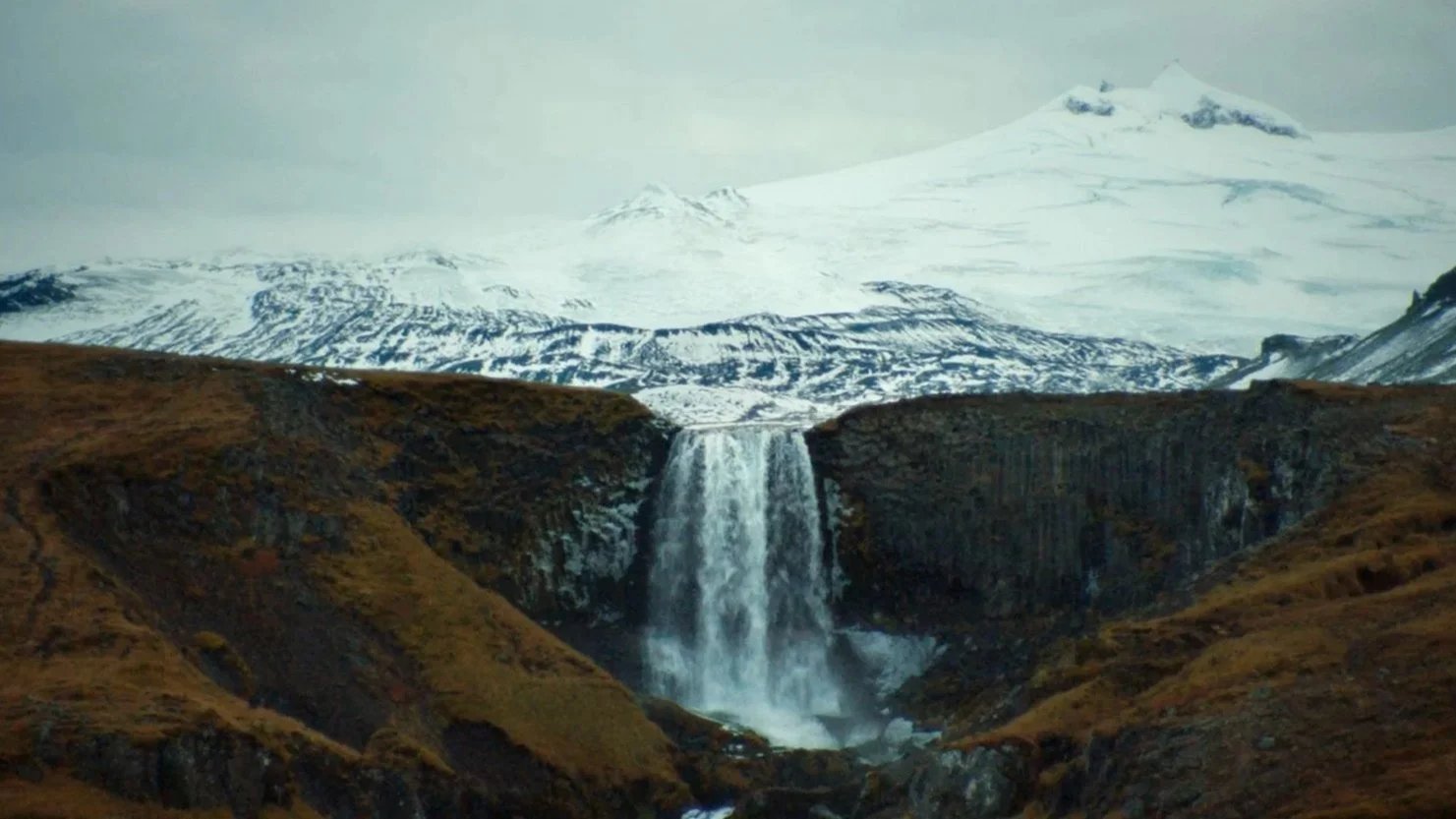
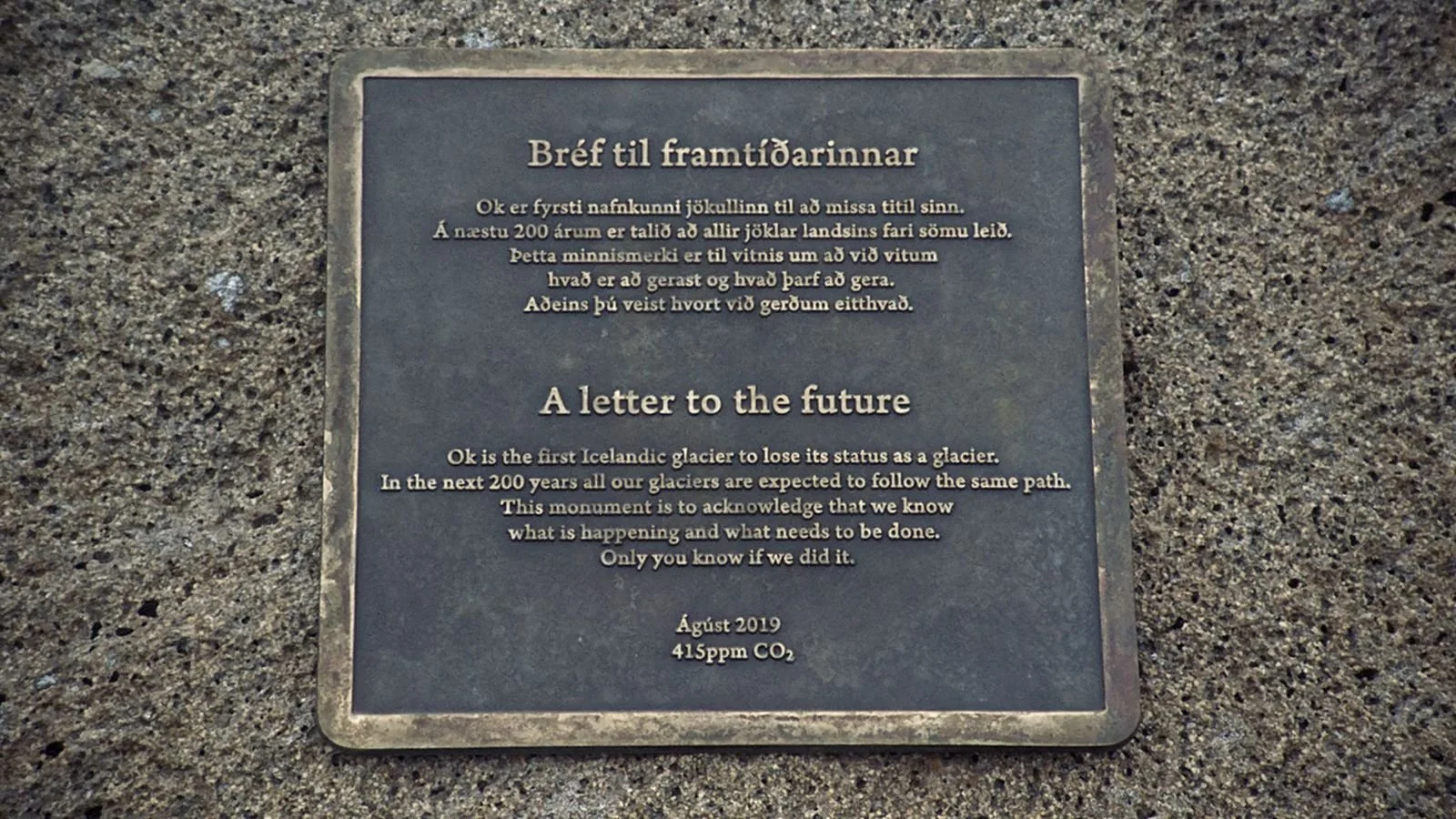
Time and Water, the latest documentary from award-winning filmmaker Sara Dosa (Fire of Love), is in constant engagement with one of its earliest and most striking statements: “The future we were warned about is no longer in the distance. It is here.” Meticulously constructed from archival and contemporary footage, the documentary centers on Icelandic writer Andri Snær Magnason, who in 2019 became the first person ever tasked with penning the eulogy for a glacier, and on the deep generational connection his family has had to their homeland for a thousand years.
Functioning as a visual time capsule, Time and Water is shaped by Magnason’s exchanges with his environment over many decades, spanning from his grandparents’ origin stories to the birth of his own children with mosaic-like non-linearity. As the relentless passage of time covertly weighs upon Magnason, a more immediate threat looms over the life he has always known: the 2014 demise of Ok Glacier, the first to die due to climate change. Through extensive voiceover that provides a soothing effect comparable to that used by Werner Herzog in his films, the audience is exposed to Magnason’s deeply reflective perspective as the world’s glaciers are projected to melt within the next two hundred years.
National Geographic
In part thanks to one of Magnason’s grandfathers, a meticulous archivist, the documentary utilizes a vast array of family photos and home footage dating back to the 1950s, much of which showcases the family’s journeys exploring Iceland’s glaciers with the rich patina of vintage film stock. This material is interspliced with footage shot by Magnason on various digital cameras after his first child was born in the 1990s, a habit that only strengthened as his grandparents entered their final years. While at times the documentary positions itself as a solemn inquiry into what sort of planet we will leave behind for future generations, it also serves as a touching monument honoring the memories of Magnason’s grandparents.
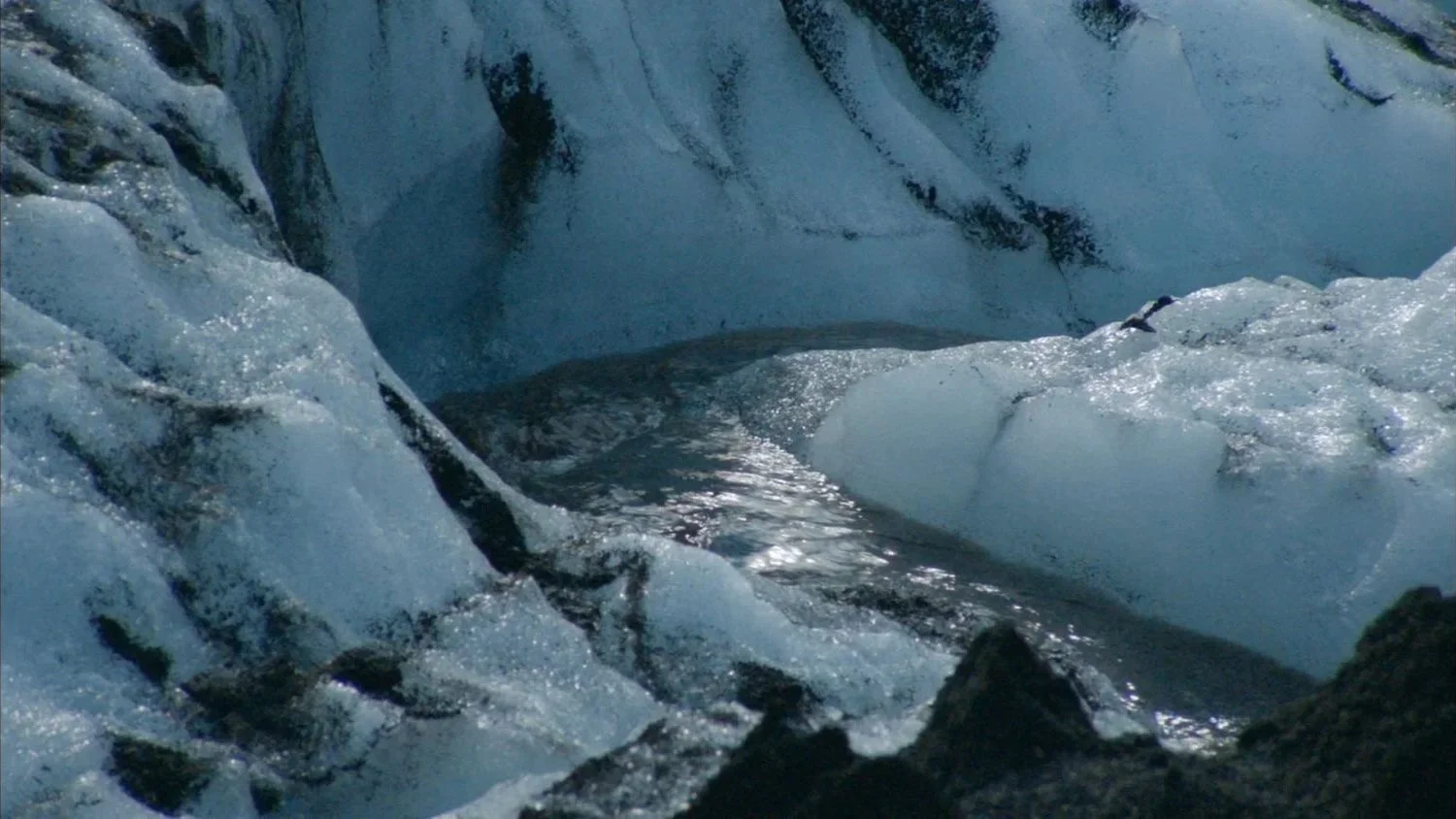
Hand-in-hand with this homage to Magnason’s ancestry is the spirited appreciation with which Time and Water captures the natural world. Grainy images of dahlias from the Magnason clan gardens are juxtaposed with contemporary footage of glacier interiors, capturing the cracks and trapped air bubbles in the icy formations with tremendous detail. The sound design pays close attention to the ancient songs conducted by the glaciers as they creak and shift, their deep baritone notes echoing. Broadening its scope beyond the family it focuses on, a particularly memorable scene is shot in Iceland’s Library of Water, which houses ancient glacial samples said to “hold the memories of time” and highlights the national linkage to the fast-disappearing glaciers.
In many ways, Dosa’s latest feels like a creative successor to her Oscar-nominated Fire of Love. Not only does Time and Water ingeniously incorporate archival materials in a similarly nuanced manner, but it also showcases the ability to translate deeply personal stories and present them to audiences with a profound universality that is both emotional and engaging, though its ruminations may feel more sentimental and less hypnotic than the aforementioned work.
National Geographic
As free-flowing as the forces indicated in its title, Time and Water is another polished and absorbing work from Dosa, who continues to stand out as one of the most interesting contemporary documentarians through her persisted investigations of the natural world, the elements that make humans tick, and the transcendental juncture where the two notions collide.
4/5
Iceland, United States of America | 2026 | 93 min | In Icelandic and English with English Subtitles
‘Time and Water’ had its Washington, DC premiere on Friday, June 12 at the 2026 DC/DOX Festival and is now playing in select cities nationwide, courtesy of National Geographic Doc Films.