
‘Saccharine’ Review: A Sapphic Supernatural Horror for the Ozempic Age
Independent Film Company/Shudder
While pop culture appears to be growing fatigued by the continued recycling of stories and franchises in mainstream cinema, certain familiar tropes feel hard to resist, particularly as the zeitgeist circles back to ideas imbued with renewed relevance.
Saccharine, the latest work from Australian horror connoisseur Natalie Erika James (Relic, 2020), revisits stock conventions of the genre’s connection with body image, albeit with a contemporary spin and feminine edge that puts the film in engaging conversation with society’s ever-shifting perspectives on body positivity, even at junctures when the film overstays its welcome, much like the supernatural adversary haunting its narrative.
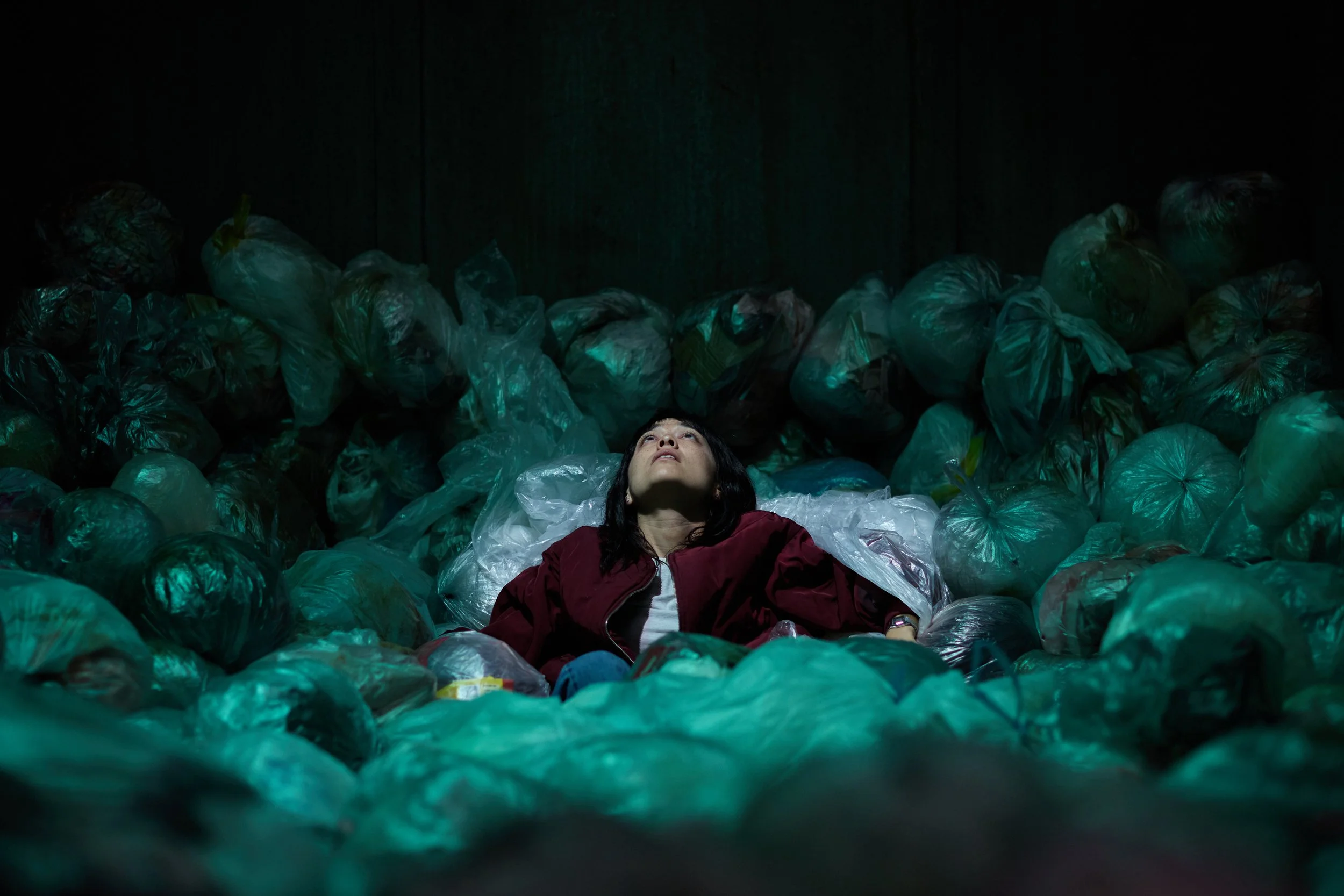
Midori Francis stars as Hana, a medical school student whose relationship with her weight has long been shaped by many of the forces that we all face: life stressors, pressure from the impossible standards of social media, and a complicated family dynamic. On her best days, Hana parties late into the night at the lesbian bars with her best friends and classmates, on her worst, she goes into tempestuous spells of self-hatred and binge-eating, literally seeing herself as human garbage, with both modes shot with a stylish flair and frenzied spirit by cinematographer Charlie Sarroff.
Propelled by a crush on gym trainer Alayna (Madeleine Madden), Hana joins a twelve-week workout intensive, an optimistic move toward her weight-loss goals, recorded with medical precision reflective of her career aspirations. This positive shift on Hana’s part is quickly erased by a run-in with a former classmate who puts her onto a mysterious, untested weight-loss pill that guarantees speedy results… Sound familiar?
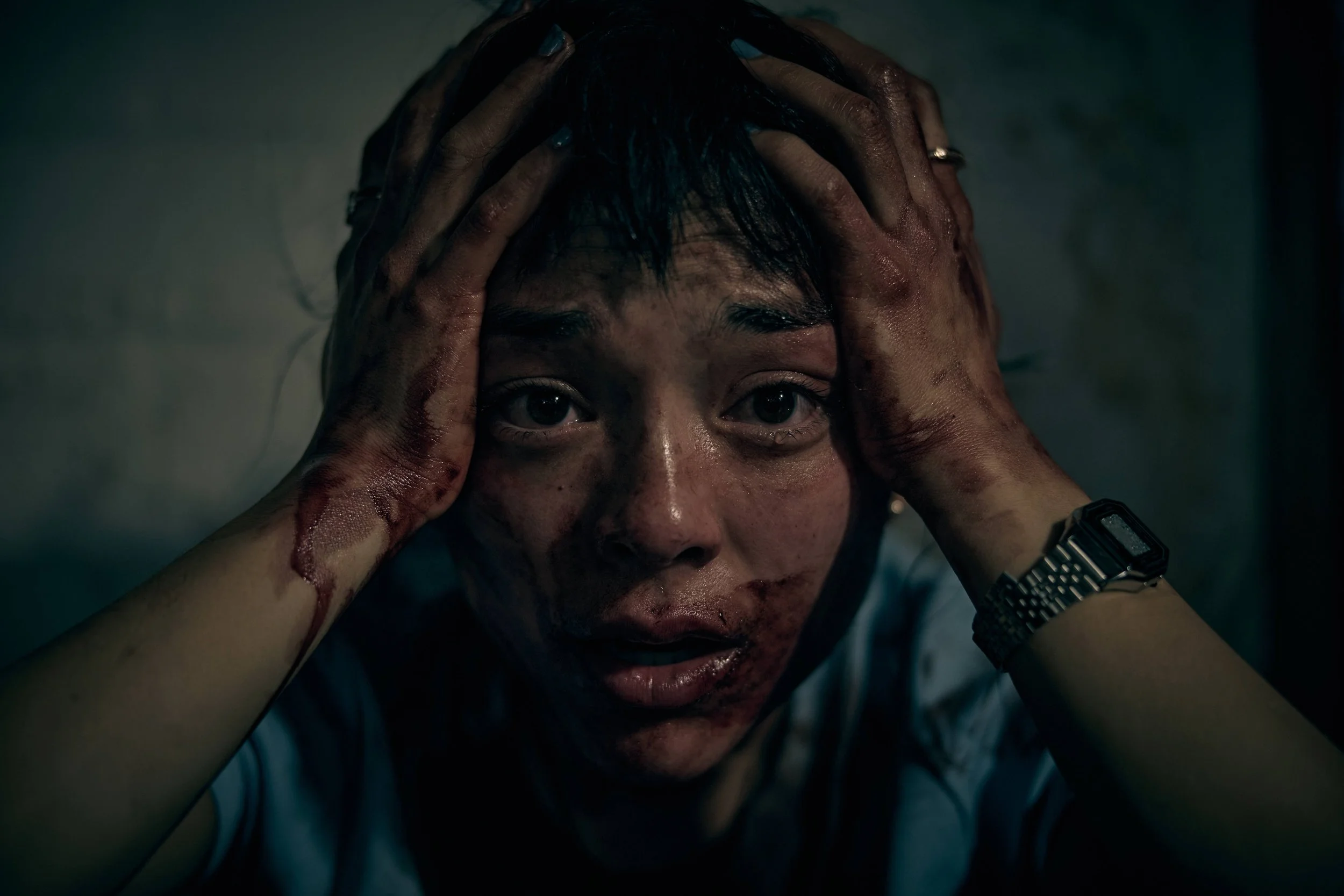
Upon taking just one pill, Hana quickly notices the pounds shedding away, a physical transformation simulated by production using clever creative processes that blend prosthetics, lighting, and camera angles. However, a strange side effect begins to occur: spectral figures appear on the reflective surfaces around Hana’s apartment, visible only to her. Using her med student perks, she heads to the lab to test the strange medication, which turns out to be comprised mostly of human ashes! Unable to afford the expensive pills on her student budget, Hana utilizes her smarts to recreate them on her own, covertly cremating parts of the morbidly obese cadaver she is currently dissecting, derogatorily named “Bertha” by her classmates. All seems well for Hana: her body goals are becoming a reality, and she is impressing Alayna. But when Bertha’s spirit begins haunting Hana from the inside out, she becomes increasingly stranded in a twisted cycle she may not survive.

Independent Film Company/Shudder
Shifting from sexy to queasy to nerve-shattering, Saccharine arrives at an intriguing time when many would consider body positivity to be a vestige from pop culture's past, directly prompted by the rise of Ozempic and other weight loss drugs that have disseminated from celebrities to the mainstream over the past five or so years, despite the lofty costs and medical mysteries that surround such medications. James’ self-penned screenplay makes no qualms at condemning such ideological shifts, particularly as Hana’s character loses grip on her own life under the increasingly supernatural side effects of the pills she takes.
Compelled by a familial history marked by a parent’s difficult relationship with eating, James instills a focused interiority into Saccharine that serves as its most powerful link to understanding Hana’s self-esteem, which is often fractured by shame and impulse. The film feels most intense when fully aligned with Hana’s perspectives of the world and what she sees staring back at her in the mirror, both heavily skewed by the forces of the contemporary.
When Saccharine strays from this nuanced understanding of its protagonist, flaws in its narrative cadence become clearer. The first thirty-five minutes or so of the movie feel kinetic and engrossing, efficiently setting the stage for the story to come. However, the remainder of the work begins to drag as it becomes bogged down in the procedural steps Hana must take to solve the paranormal puzzle she scrambles to overcome, diverting the focus from her arguably much more fascinating internal battles to rather standard narrative beats.
Independent Film Company/Shudder
While Saccharine’s vision might not feel as splashy as the internet-shaking impact of similarly themed recent works like The Substance, the movie’s connections between the social pressures forced upon women and the horror genre are elements that always feel applicable, particularly as the impact of weight loss medications becomes more widespread within the contemporary age. As horror films continue to prove lucrative at the box office, Saccharine is destined to stand out for the strength of its creative concepts, despite ultimately delivering a work that is more rousing in its ideas than in its execution.
3/5
2025 | Australia | 112 minutes | Color
‘Saccharine’ world premiered at the 2026 Sundance Film Festival. The movie begins its U.S. theatrical release on Friday, May 22, courtesy of Independent Film Company and Shudder. Click here to find ‘Saccharine’ showtimes near you.