
‘Once Upon a Time in Harlem’ Review: The Greaves Family Mines the Archives to Showcase the Party of a Lifetime
*Screened at the 2026 Toronto International Film Festival*
Neon
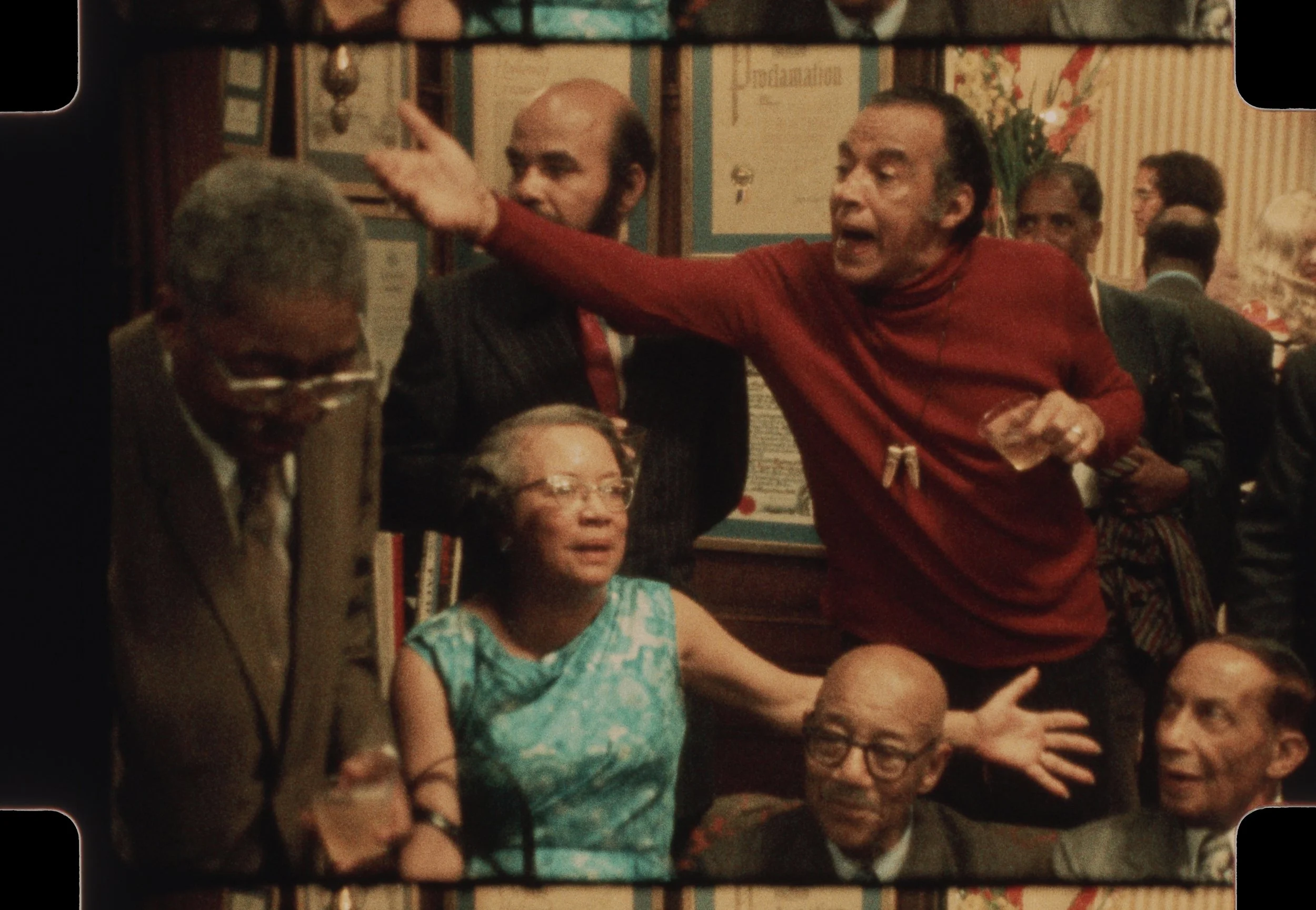
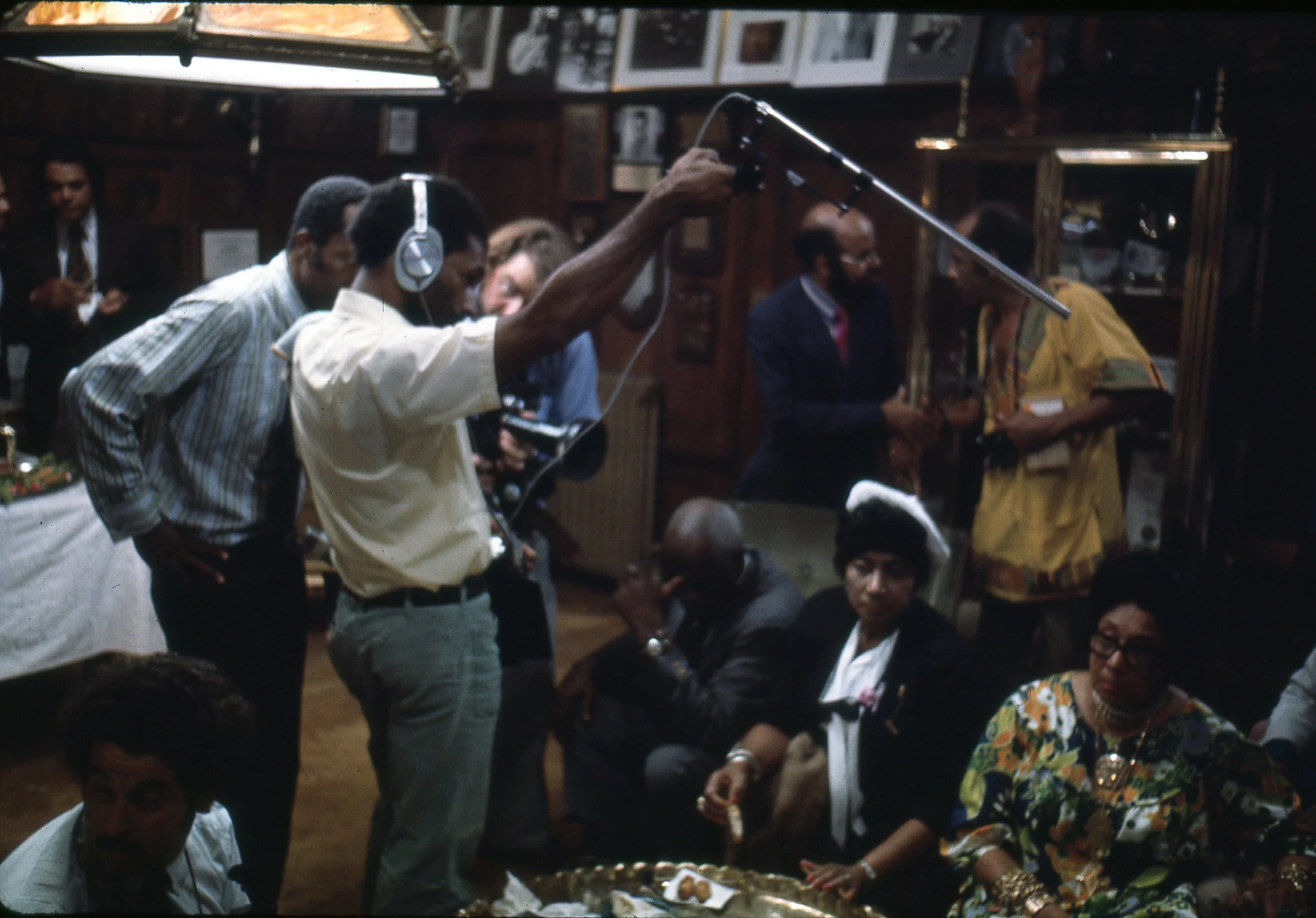
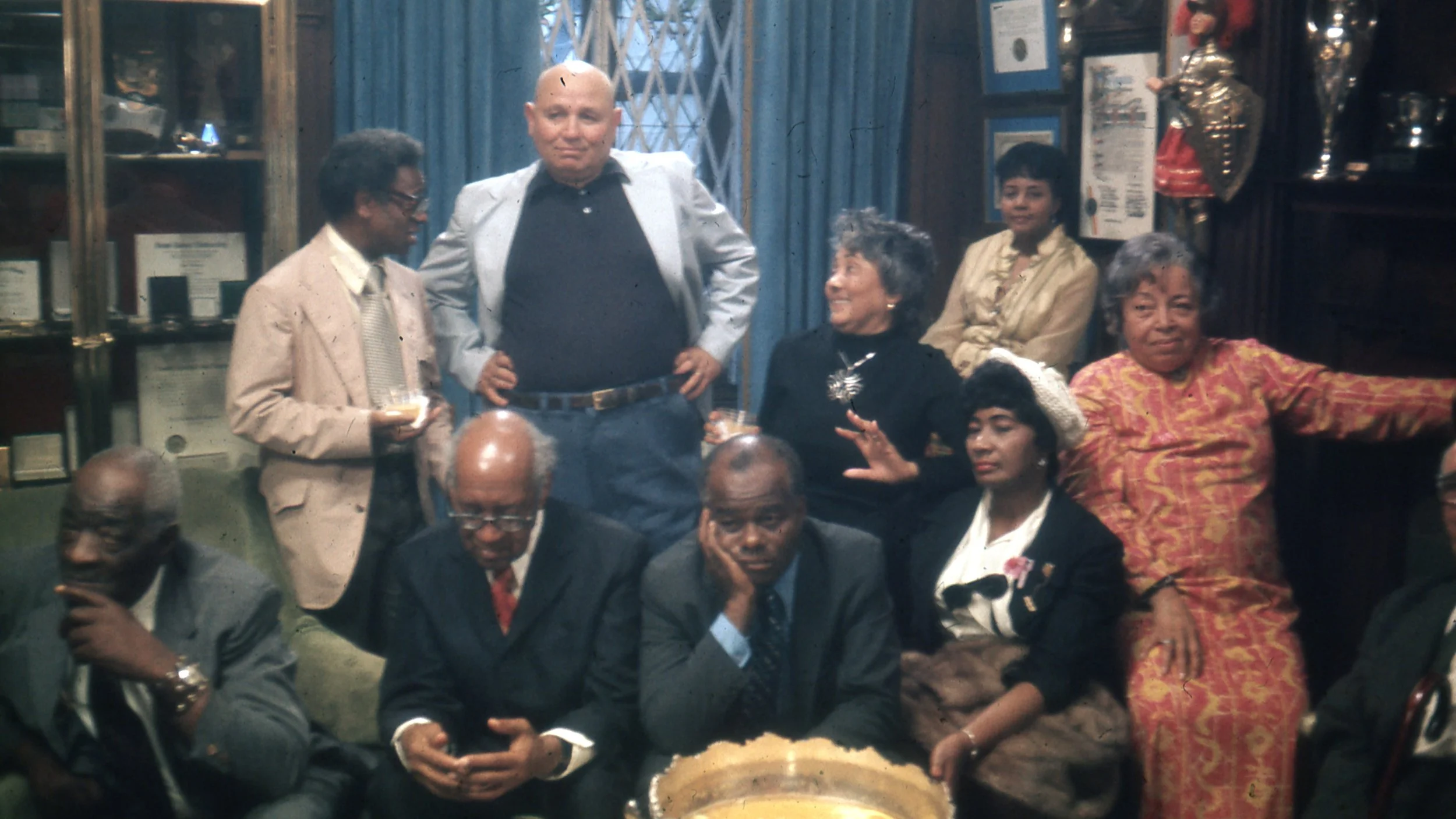
In August 1972, filmmaker William Greaves invited living luminaries of the Harlem Renaissance to a cocktail party at Duke Ellington’s home, bringing along four camera operators and two sound mixers to document an afternoon filled with “miles and miles of memories” from one of America’s most significant cultural movements. Black artists, writers, journalists, activists, and more made up the guest list, debating the circumstances and figures that allowed the Harlem Renaissance to thrive while also reflecting on its enduring impact nearly half a century after its pinnacle.
Although Greaves reworked the thousands of feet of 16mm footage for the rest of his career until his 2014 death, his son David Greaves (one of the party’s camerapeople all those years ago), stepping in as director, and co-producing granddaughter Liani Greaves have finally finished what their patriarch considered his life’s work, culminating in the resonant and radiant Once Upon a Time in Harlem.
Weaving through Ellington’s ornate and increasingly crowded apartment, William Greaves and his camera crew take time to rest upon all of the party’s multi-faceted attendees, some of whom included author George Schuyler, 96-year-old actor Leigh Whipper, and librarian Regina Andrews, all very distinct personalities who nevertheless had great impact on the Harlem Renaissance through their vocations and creative output. As drinks flow and reunions begin among guests who have not seen one another in years, Once Upon a Time in Harlem settles into its especially jubilant atmosphere, led by William Greaves’ mostly off-screen inquiries that reflect his respect for those who shaped his hometown’s shining moment in history.
Neon
In bringing his father’s vision to life, David Greaves and his team intersplice the somewhat straight-shooting archival footage from the party with photos, paintings, and music that contributed to the Harlem Renaissance’s iconography, some of which were made by the guests his father invited, including the indelible black-and-white photography of James Van Der Zee, who is featured as one of the documentary’s earliest subjects and plays a spontaneous tune on Ellington’s piano. This mixed-media approach adds contextual relevance for understanding its key figures and the nature of their work, while also layering Once Upon a Time with an experimental quality that aligns with the rest of William Greaves’ prolific filmography.
The documentary’s subjects’ heady intellectual statements are balanced by “the joy of living and creating together,” which shines through their reminiscences about the Harlem Renaissance and its lasting force on their lives. Although the four-hour fete was condensed into 100 minutes of runtime by David Greaves and his editing team for the film, the footage they blend transcends the doctrines of the guests to showcase their rich personalities as well. Whether concentrating on the outspoken efforts of Ida Mae Cullen for some respect to be put upon the name of her late husband, poet Countee Cullen, or the rather showboating nature of writer Richard Bruce Nugent (who seems to love the camera), the focus of Once Upon a Time in Harlem never loses track of the symbiosis it platforms between its philosophical and personal elements.
In many ways, watching Once Upon a Time in Harlem in 2026 feels especially instructive, as our society seems less and less capable of the compelling debate and perspective-sharing the documentary’s subjects exhibit. Greaves’ footage captures not only the communion among the figures he invited to this soiree, but also the at times socio-political contentions between them. From Pan-Africanism to the identity politics that define the African American community, the documentary’s central figures never shy away from conveying their ideas or assertions; in one scene, poet and government official Frank Horne even questions the guests’ ability to evaluate a cultural juncture they lived through. The spirited and stimulating repartee Greaves and his team record in the documentary portrays a foundational stage in creating meaningful dialogue that is almost a lost art in our modern world of social media self-consciousness and the existential fear of being on the wrong side of popular opinion.
Neon
Once Upon a Time in Harlem presents a vital glimpse into the past, looking beyond the most recognizable dignitaries of the Harlem Renaissance to spotlight many of its equally fascinating, if underappreciated, contributors. Much like the conversations held at the 1972 party, the intergenerational efforts of William Greaves and his descendants yield a treasure trove for one of America’s most influential cultural movements, offering those who lived and breathed the Renaissance a chance to share their experiences in their own words, even if the years had taken their toll in the half-century between its occurrence and the time of Greaves’ filming. Already a film festival darling and recent winner of the Library of Congress Lavine/Ken Burns Prize for Film, Once Upon a Time in Harlem already feels like a cinematic historical artifact of great significance that will hopefully continue to advance the impact of the period that inspired it.
4.5/5
100 Minutes | USA | Documentary | English
‘Once Upon a Time in Harlem’ begins its U.S. theatrical release on Friday, October 16, courtesy of Neon.