
KVIFF 2026 Review: ‘Only Beautiful Things to Look At’ Reflects on the Challenges of Female Autonomy During the Socialist Era
KVIFF
Grounded by its naturalistic social realism and a breakout performance from one of its leads, Crystal Globe contender at this year’s Karlovy Vary International Film Festival, Only Beautiful Things to Look at (Prameň), focuses on a very specific time in Czechoslovak history, yet manages to speak universally to violations of female autonomy that have affected minority groups on almost every continent throughout our modern history. The latest work from Slovakian filmmaker Ivan Ostrochovský, who splits his career between narrative and documentary cinema, Only Beautiful Things to Look at concentrates on the methods with which Roma women were coerced into sterilization procedures during the country’s Communist era.
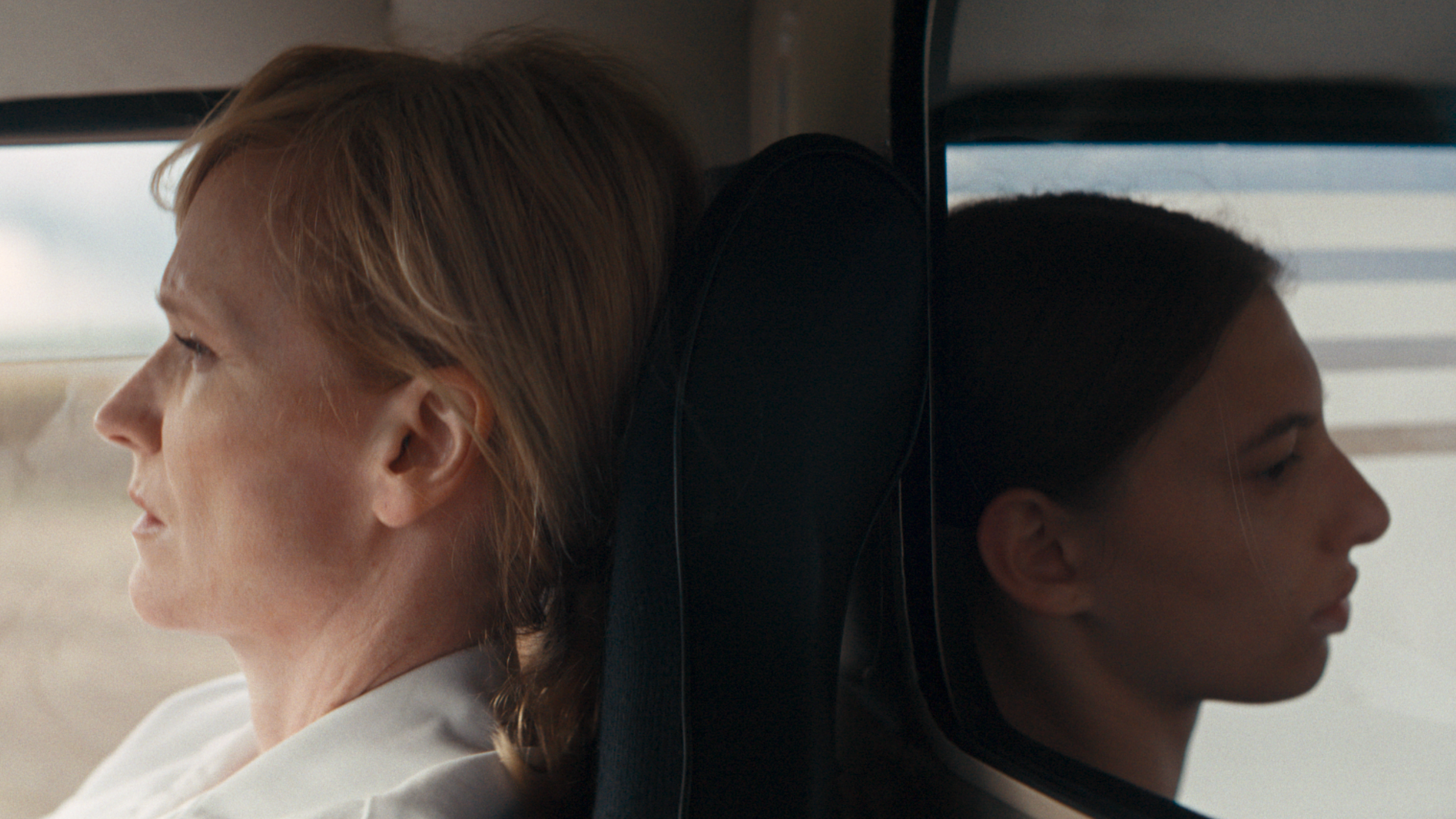
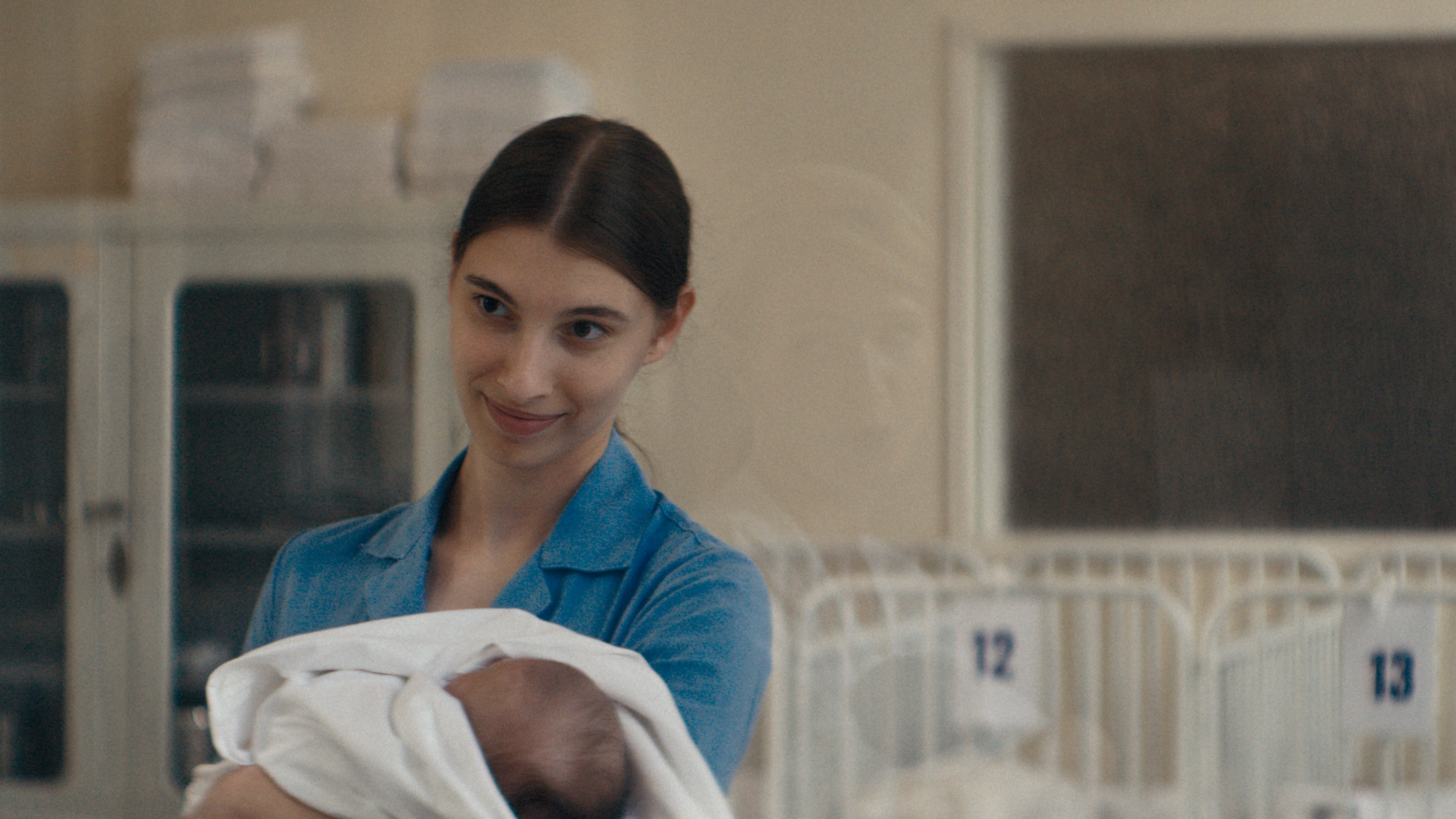
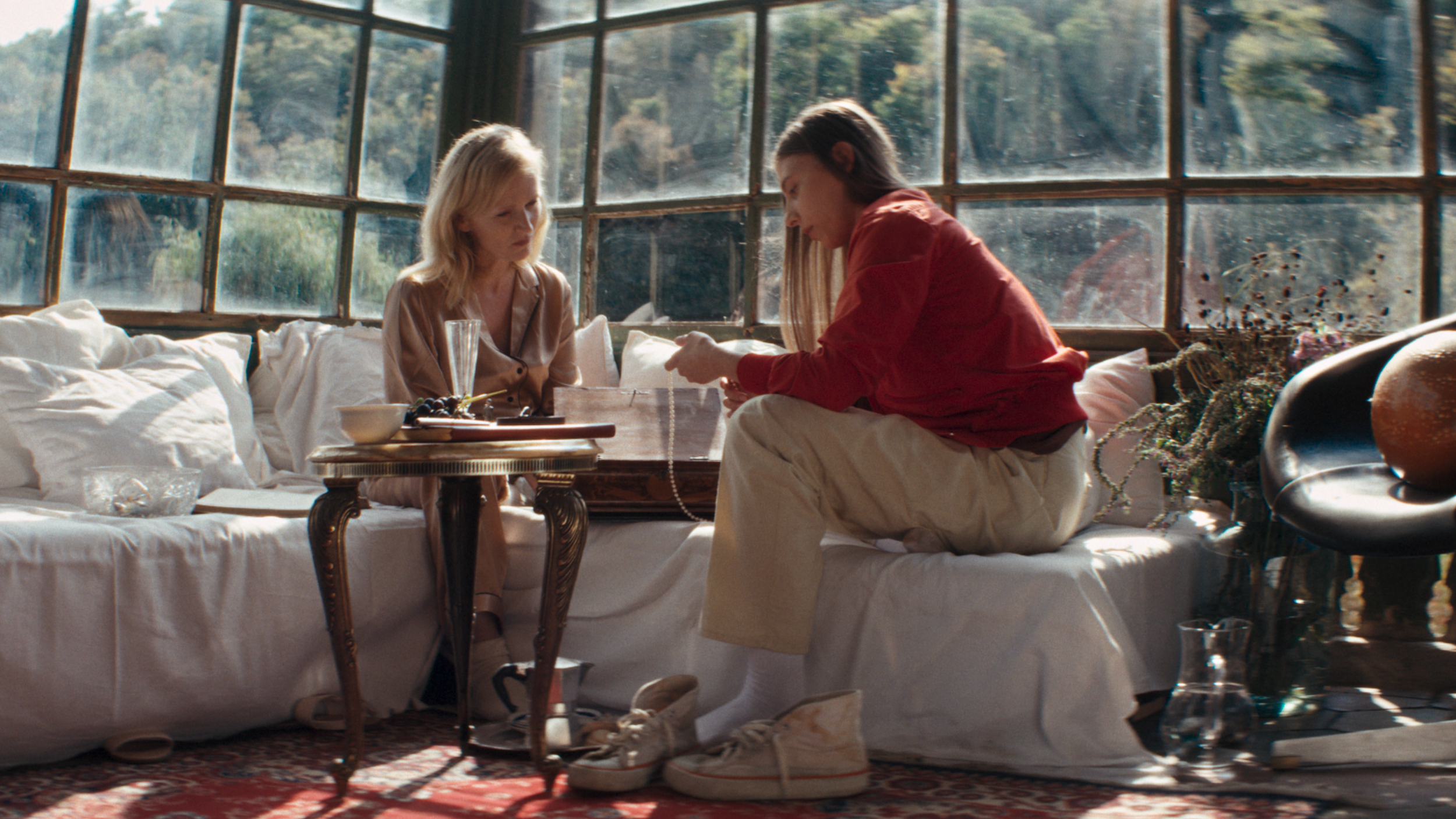
The year is 1985, and the setting is a remote but unspecified region of former Czechoslovakia, where a stately 19th-century country manor has been converted into a state-funded women’s hospital. Despite missing out on a recent promotion, likely due to her gender, or her abstinence from the Communist Party, Dr. Ingrid Rakovská (Anna Geislerová) practically rules the roost at the infirmary, overseeing baby deliveries, abortions, and most notably, sterilizations, which predominantly affect the area’s struggling Roma population, consolidated in a nearby crumbling Brutalist apartment block. One of Ingrid’s newest underlings is the beautiful and optimistic Agatá (Simona Boledovičová, making her acting debut with near-faultless ease), whose inexperience in the field initially distracts from her complicated personal history.
While Ingrid is increasingly disillusioned with her own stagnant career path (as well as a deeply unfulfilling marriage, both in and out of the bedroom), she gradually comes to admire the rookie Agatá’s youthful joie de vivre and her aspirations to build a family with her boyfriend, frequently away on military duty. Increasingly, their line of work becomes focused on curbing the birthrates among the local Roma women, a eugenics initiative prompted by the country’s government, which promises any of-age Roma woman $20,000 CZK (raised from $5,000 CZK just months earlier) if they comply with getting a laparoscopic procedure to render them sterile, commonly referred to as “the bow” due to the trio of incisions resultant from the surgery. Due to language barriers and misguided information, many of the women who opt in for the procedure are not fully understanding of its ramifications.
As an unlikely kinship begins to blossom between Ingrid and Agatá, the doctor learns of Agatá’s origins: she is part Roma and was raised in an orphanage far from the cultural roots of her heritage, leaving her in a grey area between Czech and Romani cultures. For the first time, Ingrid begins to think more deeply about the implications of the government’s attempts to systematically quell the autonomy of the Roma community’s women, propelling her to advocate for a marginalized group left relatively powerless within the controlling Socialist decrees of the era.
KVIFF
From an American perspective, where the culture’s presence is much less visible than in Europe, Only Beautiful Things to Look at delves into some of the social and systematic racism built around the Romani with a poignancy that never feels too didactic. Through conversations and interactions, the movie’s characters often convey the disdain and inhumanity the Roma were subjected to during the era: in an early moment, one of Agatá’s nursing co-workers tells her, “Don’t even look them in the eyes.” A fleeting, rather underserved subplot involving Agatá and an unexpected reunion with her older sister provides the movie’s strongest excavation of the internal pressures felt by Roma women and mothers.
At the beginning of the movie, a government bureaucrat states, “Socialism has rectified the injustices of our country’s past and given even the Gypsies the chance to catch up on the average living standard.” As the work gently plays out, the audience becomes aware of the falsities behind this message, glaringly contradictory given the Communist vision of equality for all and the proposed eradication of social barriers. Just as the film provides many visual and narrative mirrors between its central characters, these ideas, centered on governmental control over the women's bodies, can be easily transposed to many other places and communities around the world, from the Aboriginal people of Australia to the Indigenous communities of the Americas to African Americans in the Deep South. Allegedly, Ostrochovský is even looking to remake the film in an historic American context.
Only Beautiful Things to Look at does not simply focus on the socio-political implications of the former Czechoslovakian treatment of female minorities, but serves as a nuanced study of its two very different leads: From the contrast between their physical features to their two wholly different stances in life, the movie’s screenplay sketches both figures as women searching for meaning, slowly revealing more and more detail about their interiority (particularly Agatá) as it moves forward. At times, it can be difficult to be convinced by Ingrid’s hasty shift in morality. Why is Agatá the one who has soley changed her, even though she works with countless women in complex situations on a day-to-day basis?
KVIFF
Although the movie ends on a rather abrupt note that is much less satisfying than what precedes, Only Beautiful Things to Look at, as a whole, works as an effective plunge into a slice of Czech history and its treatment of women that few have considered, speaking on multiple planes to the experiences of female minorities both within a historical and modern context. As just announced, the film received the FIPRESCI Award in the Crystal Globe competition at KVIFF.
3.5/5
‘Only Beautiful Things to Look At’ world premiered in the Crystal Globe competition on Sunday, July 5, at this year’s Karlovy Vary Film Festival.