
Third Floor Production, D1 FILM
Between its sweltering, confined atmospheres and a central cast of quietly conflicted characters in whom still waters run deep, Fruit Gathering, recent winner of the Crystal Globe competition at this year’s Karlovy Vary International Film Festival, strongly channels an oppressive yet sensual ambiance reminiscent of some of War Kar Wai’s most celebrated movies. Some might consider this comparison rather presumptuous, particularly since Fruit Gathering is only the debut effort from Burmese writer/director Aung Phyoe, but the movie and the intricacies of culture and characterization it threads culminate in a work that is wholly mesmerizing through its delicate subtleties.
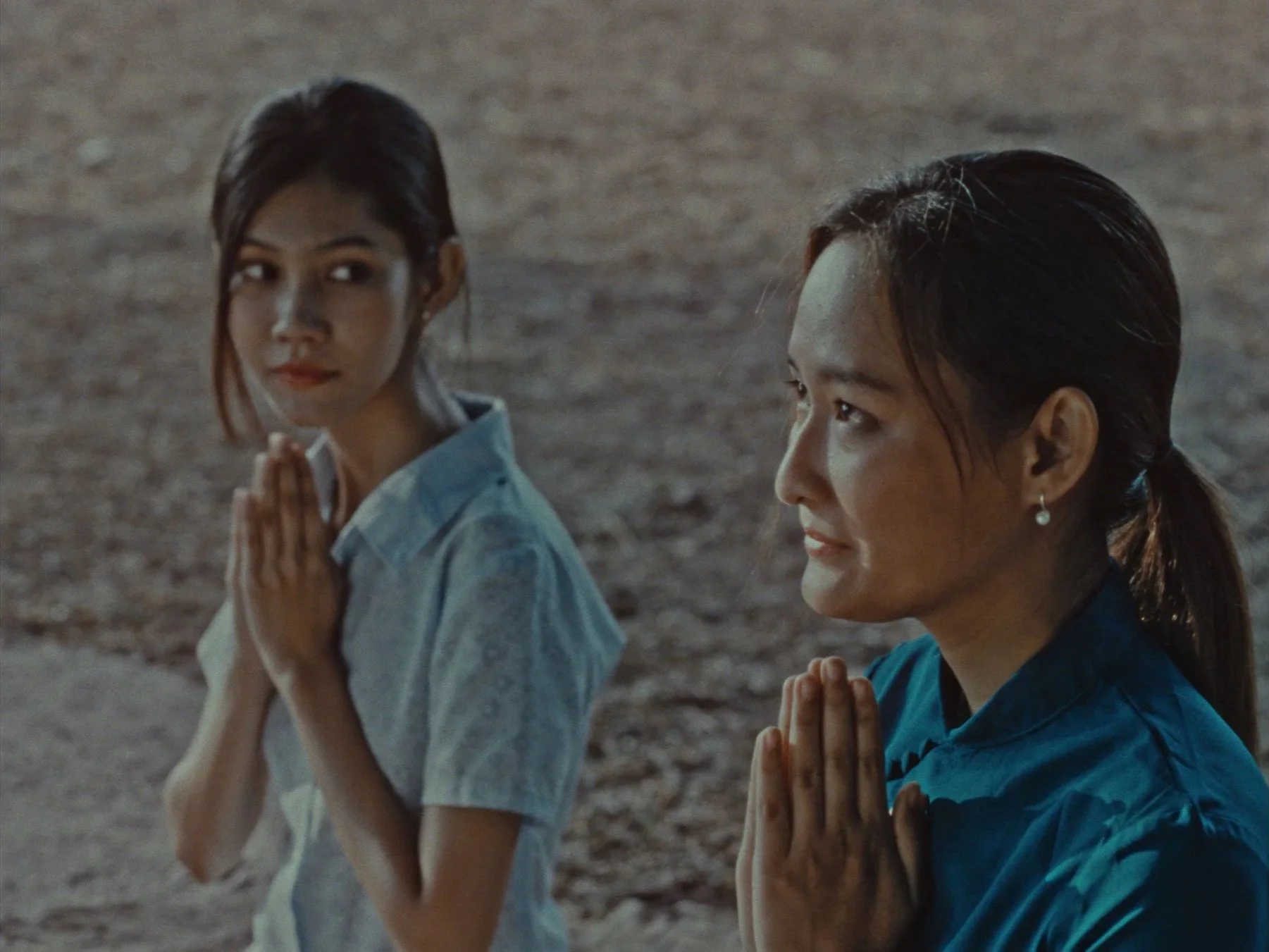
Fruit Gathering begins in a near polar opposite environment from the once peaceful farmlands that inspire its name: a nondescript, labyrinthic garment factory in Yangon, Myanmar’s commercial hub. Positioned at one of the facilities’ many sewing machines is San Kyi (a quietly radiant Nandar Myat Aung), who a grouchy manager is reprimanding for taking an unauthorized bathroom break. Unable to effectively advocate for herself, possibly due to the inexperience of her youthful nineteen years, San Kyi is unexpectedly defended by Theint (Nandar Myint Lwin), a recent hire with much more confidence to whom the former is automatically drawn.
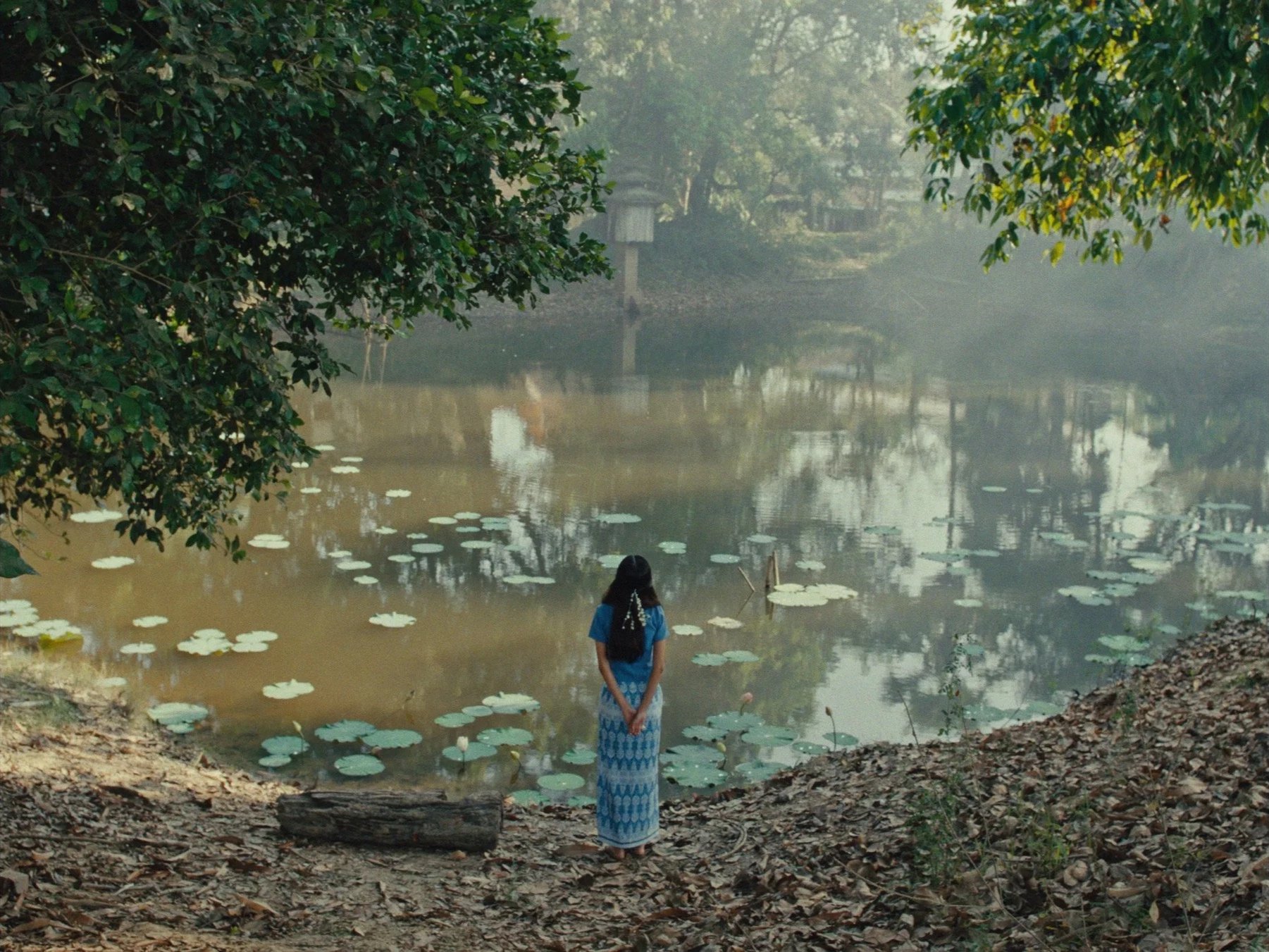
In fleeting moments between the working-class ennui of their day-to-day lives, San Kyi and Theint begin to form a tight-knit friendship, marked by silently shared meals and expressive reprieves by the river’s edge. However, San Kyi seems much more open to sharing the details of her world than Theint, whose mind seems to be constantly in motion just below the surface. Outside of her strict workplace, San Kyi’s life feels similarly dictated by her controlling, often condescending mother (Thida Soe Khant), with her only supporter in their cramped shared apartment being her ailing grandmother (Tin Tin Ei). Abandoned by the family’s patriarch years before, the movie’s intricate screenplay tactfully reveals that the three women were propelled from their former pastoral life to bustling Yangon due to Myanmar’s economic and civil instability.
The security of the bond between San Kyi and Theint soon becomes challenged by Theint’s secrecy: she disappears from her post at the factory. She shows up days later with a new husband, much to San Kyi’s disappointment, although she chooses to bottle up such emotions within herself. As economic soundness becomes a fixation for the film’s tight cast of characters, speaking to the contemporary issues that plague Myanmar’s working class, talk of moving abroad for better opportunities, company contracts, and, to San Kyi’s alarm, the prospects of an arranged marriage come to the forefront of Fruit Gathering’s existential conflict.
Third Floor Production, D1 FILM
Vehemently rejecting her mother’s concretized plan for her future, San Kyi confesses, “I can’t imagine forever with anyone,” yet she begins to carve out a covert plan to keep Theint in her life at whatever cost, which increasingly involves a developing sense of choking dominion over her, an impulse bolstered by San Kyi’s more advantageous financial status. As her pursuit of Theint develops into a romantic and borderline obsessive fixation, San Kyi descends into an anguished, possibly futile search for the freedoms she so desperately desires.
Through its tightly compacted square aspect ratio and absence of a standard diegetic score, Fruit Gathering effectively draws the audience into the naturalistic reality of its complicated heroines; you can almost feel the hot, humid climate that defines their days and contributes to the movie’s overarching sense of languidness. By maintaining these stripped-back audiovisual approaches, static camera and all, the film can focus much of its attention on the quietly beguiling connection between San Kyi and Theint. Although both women are on incongruous quests for means to an end, the film’s screenplay takes advantage of opportunities to mirror the two, outside of their increasingly similar wardrobes, who at different points almost cherish what they see in one another more than they value themselves.
Fruit Gathering proves not only to offer a multifaceted glance into the lives of marginalized women living in contemporary Myanmar, but also a work that gracefully incorporates a queer subtext, a particularly influential intention coming from a nation where homosexuality is still highly stigmatized and criminalized in the eyes of the state. While the movie’s narrative never overtly confronts its queer undertones (which can too often lean melodramatic or unoriginal), the viewer can still easily recognize San Kyi’s internal struggles with the emotions that blossom for Theint and the tremendous pain she suffers when they seem unrequited.

Third Floor Production, D1 FILM
Even when Phyoe’s impressive command of the movie’s thoughtful sparsity is somewhat derailed during its final act, which proves potent during a memorable confrontation only to become overpowered by an overly dramatic and surprisingly violent “final showdown”, the director’s debut still feels overall like a refreshing work from a country whose impact on world cinema still feels rather diminutive. Through its silent longing and palpable aura, Fruit Gathering operates as a reflective exploration of female autonomy that will likely serve as a standout feature on the fall festival circuit, particularly after its major Crystal Globe victory.
4/5
‘Fruit Gathering’ world premiered at the Karlovy Vary International Film Festival on Thursday, July 9, before taking home the festival’s most sought-after prize, the Crystal Globe.