
‘Chronovisor’ Review: Conspiracy Theories and Art Cinema Merge to Deliver One of the Year’s Most Bewitching Debut Features
Grasshopper Film
Simultaneously an atmospheric tribute to dark academia and an unsettling Vatican conspiracy thriller, Chronovisor is a wholly distinctive work that will shake up end-of-summer watchlists and likely become one of 2026’s most bewitching movies.
The debut feature from directing duo Jack Auen and Kevin Walker (founders of filmmaking collective COSMIC SALON), Chronovisor exhumes an unexplained and until this point largely unknown phenomenon of the past and uses it as an instrument to explore humanity’s endless fixation with understanding the relationship between the seen and unseen world.
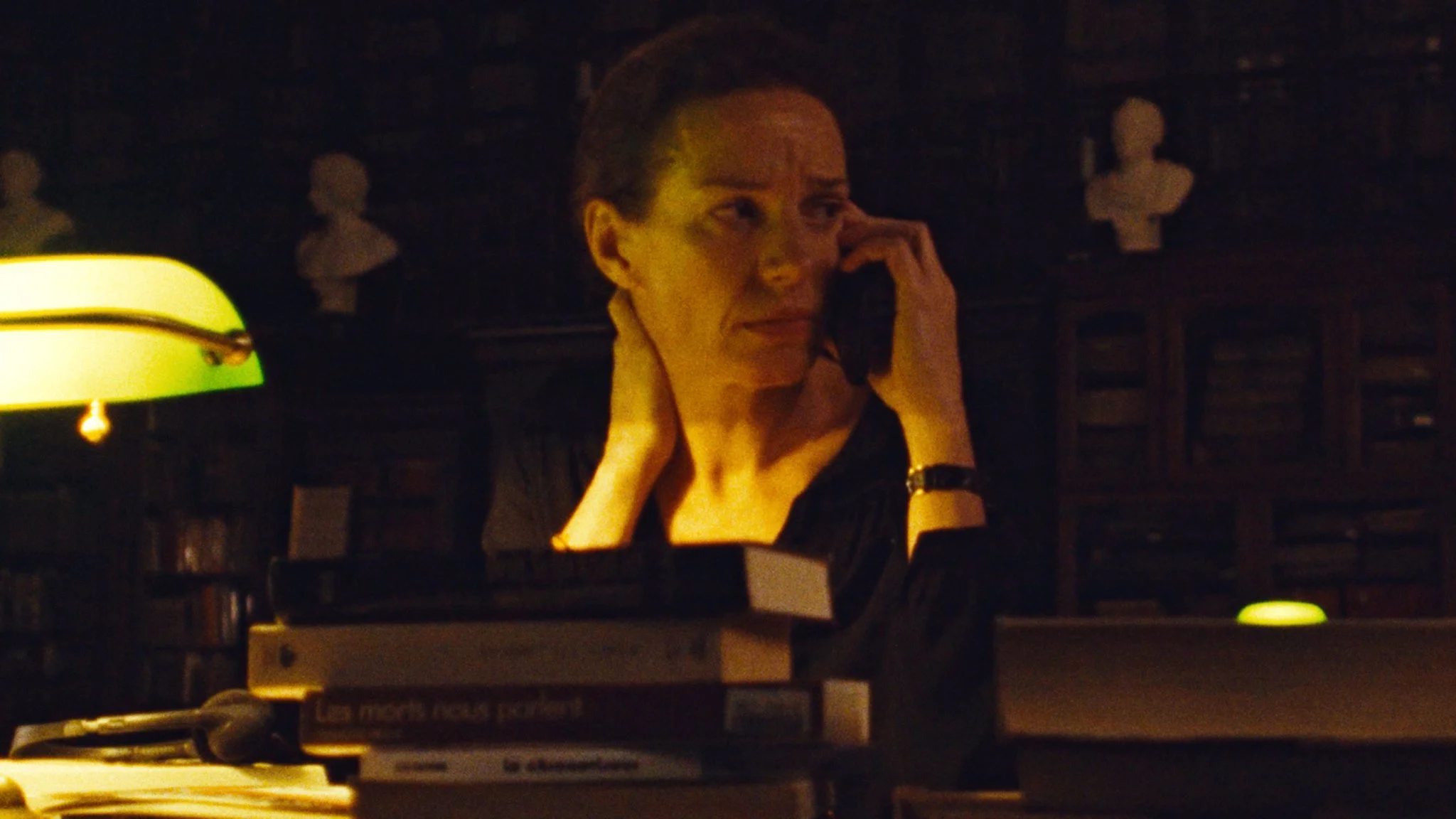
Real-life academic Anne-Laure Sellier stars as the movie’s central character, Béatrice, a professor and scholar of philosophy and neuroscience at New York’s Columbia University. Bedecked in effortlessly crisp white shirts á la The Row, Béatrice splits her time between cocktails with similarly high-minded colleagues (often over unrequited conversations) at NYC institutions like Tavern on the Green and the Yale Club and committing hours of meticulous research in the city’s most respected libraries. One late night, poring over the archives while delving into studies of memory, Béatrice comes across a report of the most peculiar machine: the Chronovisor.
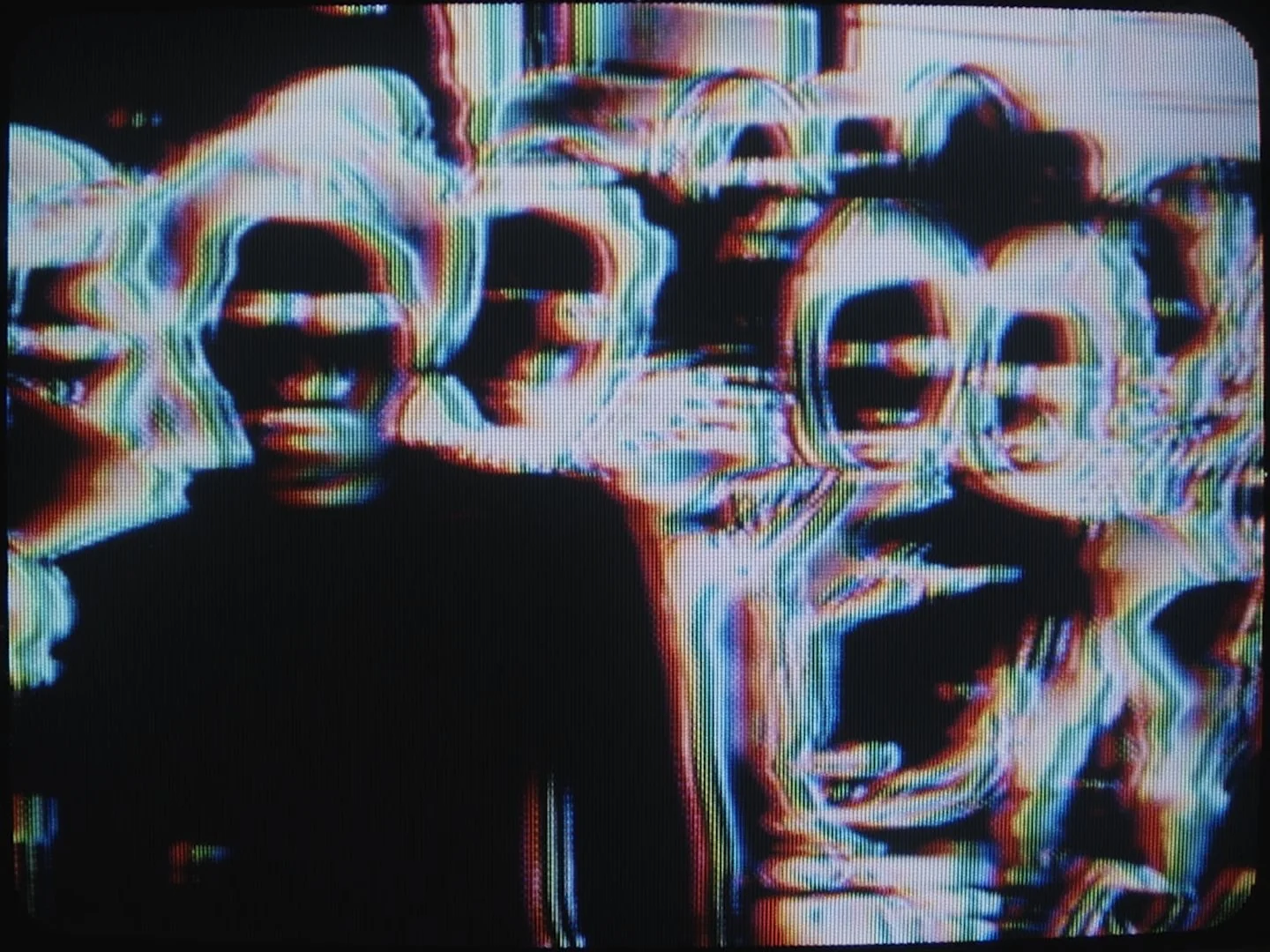
Béatrice learns that the Chronovisor was codified during the 1950s by Venetian priest Father Pellegrino Ernetti, a musicologist, philosopher, and inventor, “equally a man of faith and science”, who disappeared decades earlier after proving to be a thorn in the side of the Vatican thanks to his controversial discovery. Allegedly collecting radio frequency waves from the ether, Ernetti’s creation is said to capture sounds and images from the past and display them as holographic visuals on a small television screen, with the priest himself claiming to have witnessed Christ on the cross using the Chronovisor’s technology.
Increasingly bleary-eyed from the endless evenings pouring over archival materials in a myriad of languages and pulled from sources that span from research articles to memoirs to newsreel footage, Béatrice becomes gripped by the enigmatic Chronovisor and its supposed powers, with which “nothing can be secret,” an obsession that leads her not only away from her current academic pursuits, but her own semblance of reality.
Grasshopper Film
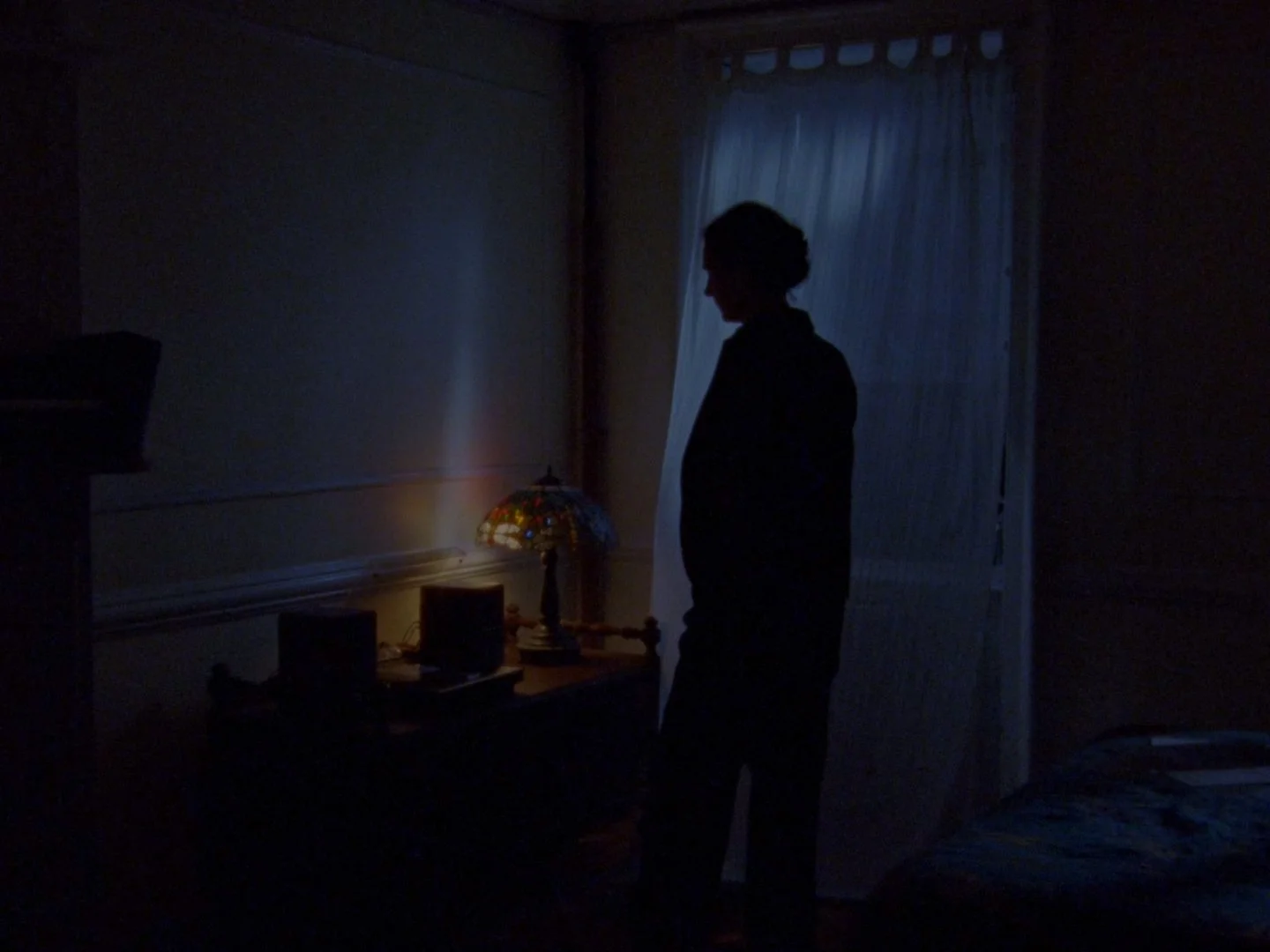
Shot with an estimated $55,000, Chronovisor has a hypnotically labyrinthine structure that gradually builds into a disquietly compelling experience, despite its microbudget, supporting the merit of its directors’ creative vision. As the audience is first immersed in the movie’s world of high academia, it is nearly impossible to resist the lure of the Emeralite lamps and the rich wood-paneled walls that distinguish the spaces in which Béatrice works, the comfortable solitude where she becomes immersed in her studies. With the movie shot on grainy 16mm film stock and shunning the urge to light its sets artificially, its initially cozy interiors eventually give way to atmospheres that feel more ominous, more defined by dark corners and endless silences as they come to match Béatrice’s ramping anxieties and preoccupations with deciphering the fate of Ernetti’s mysterious machine.
Like the film’s central character, Chronovisor and its creators are obsessed and enamored with the considerable archival materials and the research that led them to the mystifying subject in the first place. Although its unique cadence makes the viewing experience feel much more thrilling than it sounds on paper, much of the movie is statically filmed over Béatrice’s shoulder as she parses through the remains of the Chronovisor’s records: many shots are comprised of archival phrases and statements, often translated with textual overlays, that function as a narrative engine as it hurtles toward the truths it seeks. This approach makes for an experience that feels almost as much like close reading as it does like cinema. Each material showcased within these scenes was pulled from verifiable sources, all painstakingly collected by the filmmakers during months of pre-production. This appreciation for actual research and primary sources feels increasingly rare, particularly within a modern landscape where many consider credible sources to be social media influencers and yellow journalism.
Grasshopper Film
When the dust settles and Chronovisor’s rather disturbing last frame cuts to the credits, the movie’s experimental blend of truth and fiction articulates an exhilarating sensation unmatched by any other recent work of cinema.. As beguiling and unnerving as the classical score that punctuates the arcane mystery at its core, Chronovisor’s foundation in real people and (possibly?) real happenings readily makes for a rabbit-hole conspiracy with bona fide credits that will surely haunt viewers enough to make it not only a critical favorite, but maybe even a cult classic in the making.
4.5/5
2026 / 99 min. / USA / In English, French, Italian, and German with English subtitles
‘Chronovisor’ world premiered at the 2026 Rotterdam International Film Festival. The movie begins its U.S. theatrical release on Friday, September 4, courtesy of Grasshopper Film. Click here to find ‘Chronovisor’ showtimes near you.